


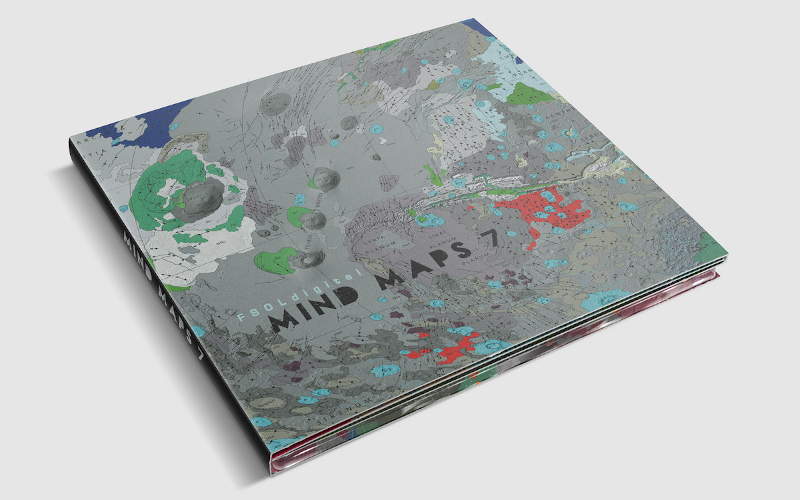


Mind Maps 7 stands as another richly rewarding chapter in an extraordinary body of electronic music—one that continues to push gently at the boundaries of ambient, downtempo and sample-based composition without ever losing its sense of warmth or wonder. Long may these maps continue to unfold, pointing listeners towards the kind of electronic music that still feels capable of surprising, transporting and quietly reshaping the landscape around it.
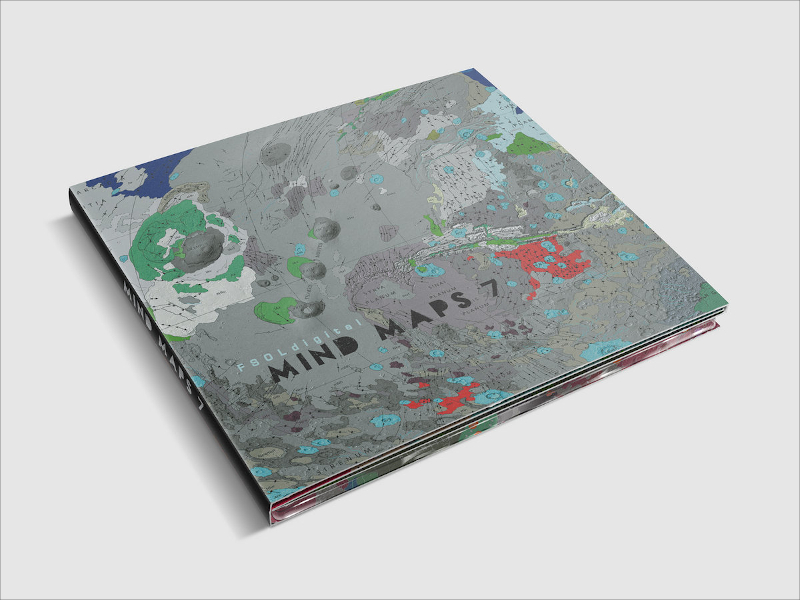
FSOL’s discography does not simply evolve; it mutates

There are few artists in electronic music who have remained as resolutely unknowable as The Future Sound of London. They are the embodiment of an enigma. For more than thirty years Garry Cobain and Brian Dougans have operated as both pioneers and outliers, continually reshaping their own vocabulary through an ever-expanding catalogue of albums, EPs, archives and aliases. While countless contemporaries became defined by genres they helped create, FSOL have consistently resisted taxonomy, preferring intuition over orthodoxy and exploration over repetition. Their discography does not simply evolve; it mutates.
Part of that mystery has always been embedded in their process. FSOL have rarely offered the listener an easy route map. Names, identities, boundaries and explanations are often blurred or deliberately withheld, allowing the music to exist first as an experience rather than as a product. In an age where everything is indexed, categorised and instantly explained, their continued commitment to ambiguity feels almost radical. The work arrives as a place to enter, not merely an object to consume.
“In an age where everything is indexed, categorised and instantly explained, their continued commitment to ambiguity feels almost radical. The work arrives as a place to enter, not merely an object to consume.” ~Will Wonks
History, however, tends to return to one moment. “Papua New Guinea” remains the unavoidable touchstone—not because it was their first great work, but because it captured electronic music standing on the threshold of possibility. Emerging from Britain’s bleep-and-clonk years, in parallel with Warp‘s formative identity and the rapid mutation of acid house, it proposed an altogether different future. Built from the haunting vocal of Dead Can Dance‘s “Dawn of the Iconoclast,” the cavernous bassline of Meat Beat Manifesto‘s “Radio Babylon” and additional textures from Circuit‘s “Shelter Me,” FSOL transformed familiar source material into something wholly original. Breakbeats displaced rigid four-to-the-floor momentum, ambient textures sat alongside uncompromising low-end pressure, while melody became both emotional and transportive. Toughness and tenderness occupied the same space without contradiction.
Its influence is difficult to overstate. In much the same way that Talk Talk inadvertently sketched the blueprint for post-rock, “Papua New Guinea” suggested that dance music could become something beyond the dancefloor. It pointed towards the seed of what we now know as IDM, planting an idea that electronic music could be cerebral, emotional, fractured and exploratory without losing its physical connection to rhythm. From there, its influence would echo through jungle, intelligent techno, ambient, trip hop, breakbeat, chill-out, broken beat and countless hybrid forms that defined the decade. Whether directly or indirectly, it helped legitimize experimentation as a central impulse within electronic music rather than a curious diversion from it.
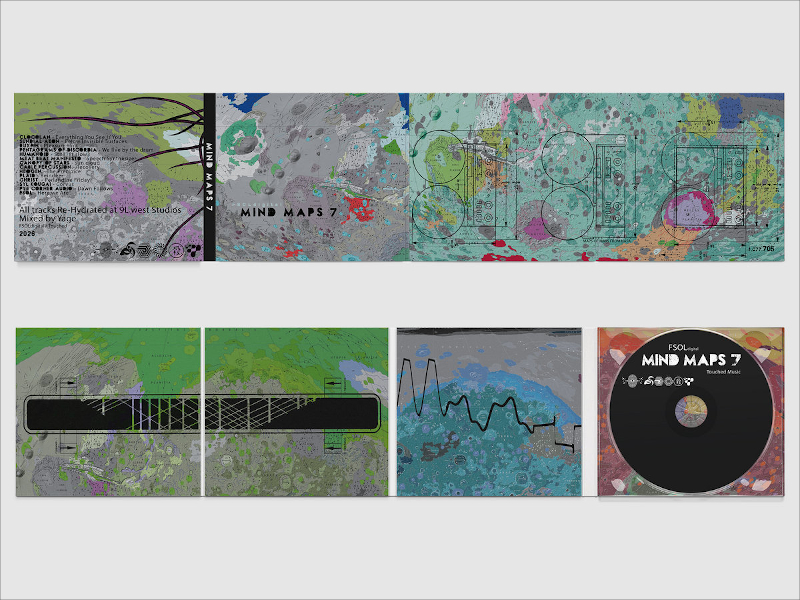
A living organism, continually rewriting itself ::
Alongside A Guy Called Gerald‘s “Voodoo Ray,” LFO‘s “LFO,” and Orbital‘s “Chime,” “Papua New Guinea” stands as one of those genuinely era-defining recordings that crystallized the cultural optimism of an impending post-Thatcher Britain. These were not merely club records. They reflected a generation discovering new communities, new aesthetics and new ways of imagining itself beyond the orthodoxies of the preceding decade. As ever, those radical impulses would eventually be absorbed into the machinery of mainstream culture, their once-disruptive edges softened through repetition and commodification. Yet the original spark remains unmistakable.
To trace the genealogy of contemporary electronic music is, sooner or later, to arrive at The Future Sound of London. “Papua New Guinea” is more than a classic; it is an archetype, a permanent timestamp marking the moment electronic music realized just how expansive its vocabulary could become.
“I’m attempting to describe something deeply that exists most completely as sculptured sound. Music, such as we have gifted here, at its most powerful, escapes the boundaries of moribund explanation.” ~Will Wonks
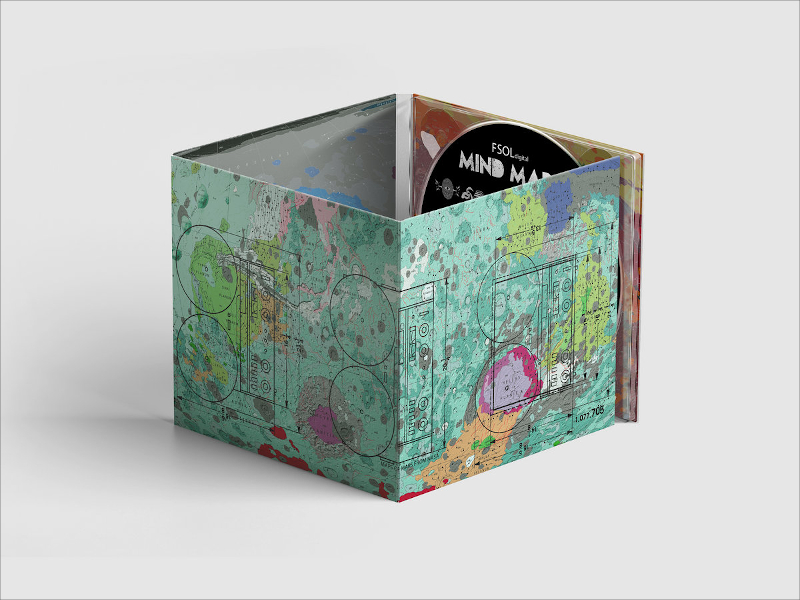
As we move through the fourth decade since that breakthrough, Mind Maps 7 finds Cobain and Dougans turning their attention towards the work of others, continuing to reinterpret and reshape electronic music through the unmistakable FSOL lens. The archive is not a museum; it is a living organism, continually rewriting itself.
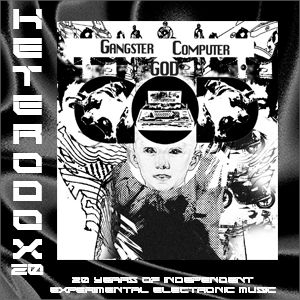
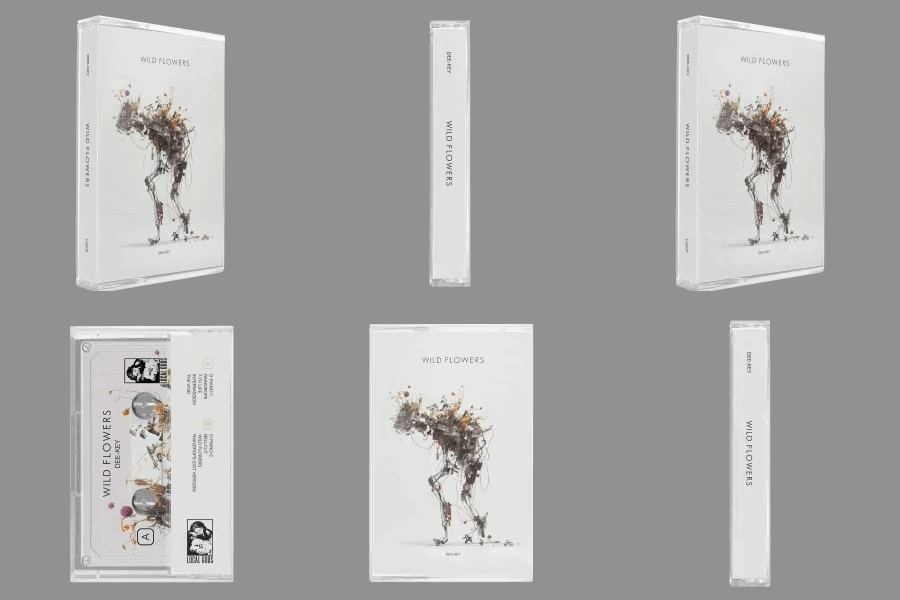
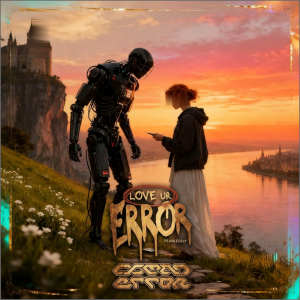
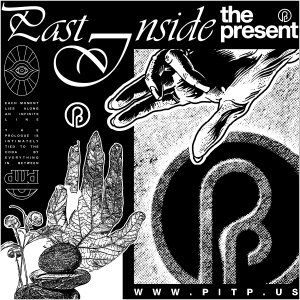
Opening with clocolan, the collection sees FSOL reworking material by Jack Dangers as Meat Beat Manifesto, Humanoid—the long-running Brian Dougans alias—Pye Corner Audio, the inimitable cable.percussion, Plaid, Canopy of Stars, Ruxpin, Heogen, Sundial Aeon, Syl Kougaï, Christ., and Pentagrams Of Discordia. These are not conventional remixes so much as acts of transformation. Familiar structures are dismantled, atmospheres are reimagined and fragments are repositioned, while the essential character of each source remains just visible beneath the surface. Across familiar territories and unexpected detours, breaks cut and shuffle, atmospheres touch, fracture and transform.
Acts of transformation ::
The sublime reworking of Plaid‘s heartbeating “Reindeer” arrives as the standout for me, although that conclusion undoubtedly carries its own resonant bias as a lifelong fan of their magical oeuvre. Yet there is no noticeable drop in quality across the entire collection. Ultimately, there are limits to this same language when I’m attempting to describe something deeply that exists most completely as sculptured sound. Music, such as we have gifted here, at its most powerful, escapes the boundaries of moribund explanation.
Perhaps that is why FSOL continue to endure as a trustworthy creative force while some of their contemporaries have found comfort in routine or the familiar pull of nostalgia. Their music has never sought definitive answers, only fresh routes through familiar terrain, treating every ending as the beginning of another possibility. Mind Maps 7 is another reminder that exploration, curiosity and reinvention remain fundamental to both the practice of being human and the act of making art. More importantly, it stands as another richly rewarding chapter in an extraordinary body of electronic music—one that continues to push gently at the boundaries of ambient, downtempo and sample-based composition without ever losing its sense of warmth or wonder. Long may these maps continue to unfold, pointing listeners towards the kind of electronic music that still feels capable of surprising, transporting and quietly reshaping the landscape around it.
Mind Maps 7 is available on Touched Music. [Discogs]