


Distort Everything Forever opens in ambience, spends most of its middle throwing rhythmic and low frequency chaos at you, then returns toward atmosphere at the end.
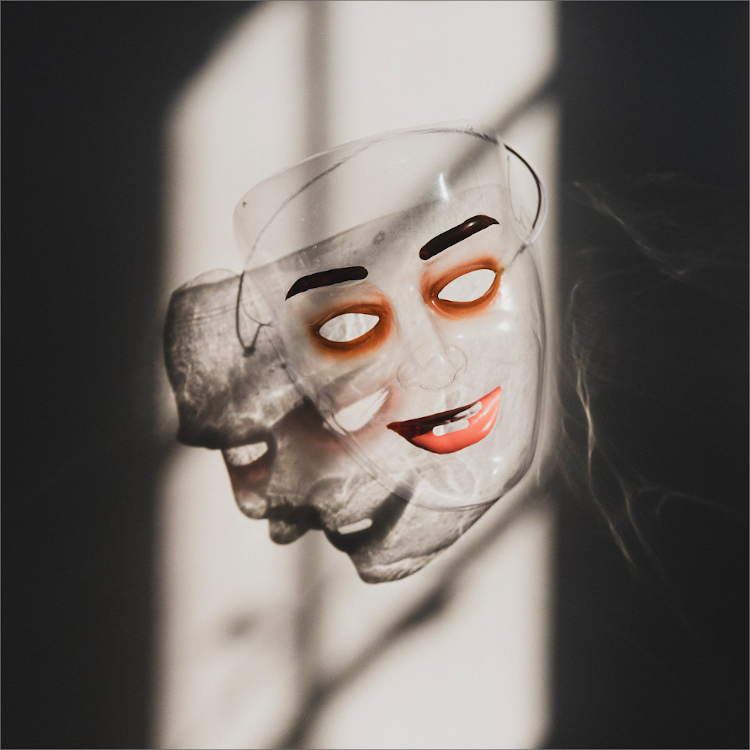
The record opens a door, destroys the room, then leaves you in the wreckage
SUAHN is Michael York, Baltimore-based, and his music has been moving through bass music, acid, techno, jungle, and experimental club forms long enough that Distort Everything Forever doesn’t arrive sounding like a debut. York grew up hearing hand-me-down mix CDs from his uncle, Aphex Twin and Venetian Snares sitting next to The Cure and Bauhaus on the same tape. That detail explains a lot about the harsher edges of what he makes. Four Tet, RL Grime, Ivy Lab, and Boombox Cartel have all picked up his catalog. He appeared on VISION‘s MISSION 03 compilation alongside Billain, Posij, Current Value, and others. So the full-length context is already there before a single track plays.
The opener “Reverie” starts in ambience. Gives the impression things might unfold slowly. That doesn’t last. Heavy bass, drum and bass breaks, distorted percussion, hip hop rhythmic ideas, it arrives fast and stays physical for most of the runtime. York doesn’t spend time introducing himself. The drums show up and the record commits.
The title is a literal description of the production language. Distortion isn’t decoration here, it bleeds into everything. Drums, bass, breaks, vocal fragments, transitional material. At a certain point it stops being an effect and becomes the identity of the record. There’s drum and bass underneath a lot of this, but also half-time hip hop programming, bass music, and the heavier side of experimental club production. Points where it touches the same territory as VISION releases—beat-driven material where drum and bass structure gets slowed, stretched apart, and rebuilt around enormous low end.

“Drifting” is where the album properly declares itself. Old school drum and bass instinct in the way it moves. Not especially melodic, doesn’t need to be. The drums do most of the talking. Filter sweeps and frequency movement pull you further in gradually, and York trusts the breaks to establish the personality of the track without constantly dropping another melodic idea on top. That restraint is what makes the track land.
“Lost in it All” goes heavier. Half-time rhythms, bass with real dub-like weight, distortion threatening to tear it apart at the edges. This is where the VISION comparison becomes most useful, the heavier beat-focused side of NOISIA‘s label, where sound design carries as much importance as composition and a bass hit functions almost like a lead instrument. York understands that language. The saturation and distortion give his version a dirtier edge than most producers working in that space would allow.
The tracks sound filthy because they’re supposed to ::
Worth noting what heavy distortion actually costs at the mix stage. Once you start saturating bass, drums, and midrange simultaneously, everything generates additional harmonics that compete for the same frequency space. Transients lose definition. Low mids turn to mud. The challenge is making something sound destroyed while still giving every important element enough room to be understood. York handles this well, the tracks sound filthy because they’re supposed to, but the kicks still hit, the bass still has shape, and the breaks never collapse into an undefined wall of noise. That kind of control doesn’t happen accidentally.
“How Dark it Gets” is another standout, specifically for the vocal work. Fragments getting chopped, repositioned, distorted, thrown against the breaks, the edits never become a gimmick because they function as another rhythmic layer. Small pieces surface, disappear, return processed differently. The track feels like it’s constantly rearranging itself while you’re inside it.
What becomes clear across the full runtime is how studied York is in this corner of electronic music. The Aphex Twin and Venetian Snares references from his background make sense, but this isn’t an IDM record in the older Warp or Rephlex sense. The center of gravity is heavier, connected to modern bass production, jungle, drum and bass, industrial club music, and the post-NOISIA school of extremely controlled sound design. Someone who understands what happens when breaks become texture, when distortion becomes arrangement, when bass stops functioning as low end and starts carrying the emotional weight of a track.
The sequencing does real work too. Distort Everything Forever opens in ambience, spends most of its middle throwing rhythmic and low frequency chaos at you, then returns toward atmosphere at the end. The quiet at the beginning and the quiet at the end aren’t the same quiet. Everything that happened between them changes what the stillness means. The record opens a door, destroys the room, then leaves you in the wreckage. That’s a complete thought.
Distort Everything Forever is available on Bandcamp.