



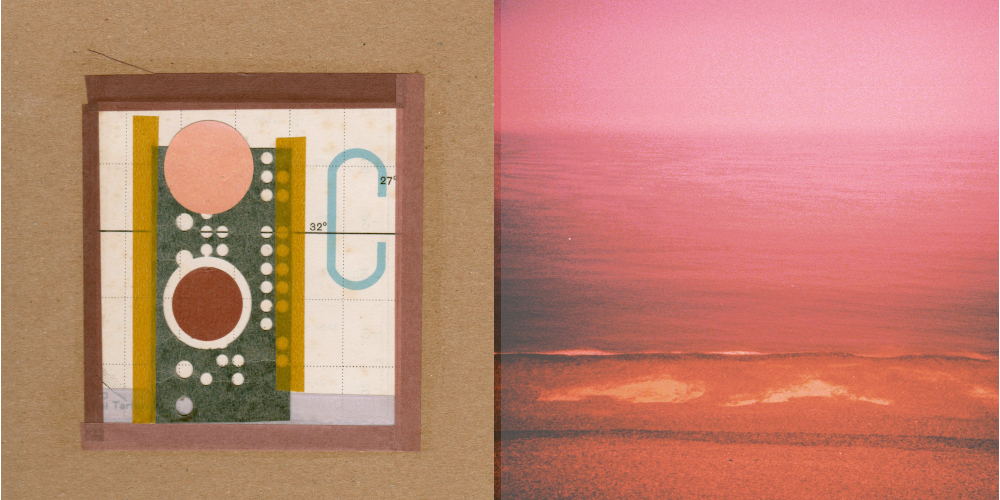

Two decades removed from the clockwork IDM of Polytuft-Tech, Tim Martin’s returning light (Home Normal) and beneath still stars (handstitched*) find him stripping everything back to drift, texture, and quietly resonant melody, resulting in two companion albums that feel less like separate releases than different sides of the same long, unhurried thought.
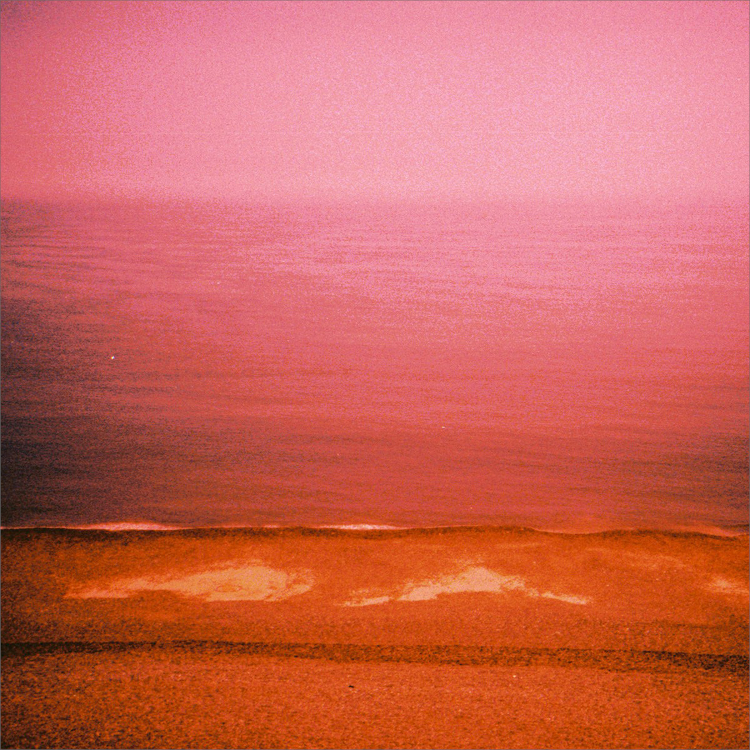
Companion pieces, two sides of the same drift
Tim Martin has been Maps and Diagrams since the early 2000s, and the entry point for a lot of people into his catalog is Polytuft-Tech, released in 2003 on Expanding Records, an album that got filed under IDM, ambient, and glitch at a moment when those three words together still meant something specific and rigorous. That record ran on clicky drums that whirred like clockwork under warm, streamlined melodies. It landed near the tail end of IDM’s most experimentally saturated period, right as the genre itself was quietly transitioning into whatever came next, and it stands as one of the more melodically generous statements from that stretch. Both returning light (Home Normal) and beneath still stars (handstitched*) are nowhere near that record sonically. Drums are gone almost entirely. Glitch has been replaced by drift. But it’s still unmistakably Tim, the same restrained, resonant signature that’s followed him through two decades of output, just aged into something quieter.
Both albums arrive within weeks of each other on different labels with different histories attached. returning light is Home Normal‘s second release from Tim this year, following tone isolation, his actual debut on the label despite Home Normal running for over seventeen years, a gap explained by the fact that Tim‘s earliest UK work went through Nomadic Kids Republic, Home Normal‘s sister label, back in 2011 with Lights Will Call On You and The Town Beneath The Sea. beneath still stars comes out on handstitched*, the label Tim runs himself, which has carried his more private and experimental output for years alongside releases like In Circles. One album through someone else’s curatorial lens, one through his own. That distinction matters more than it initially seems to.
Ambient releases should never get judged track by track in isolation. The genre works as a collective experience, an album like this either builds a sustained emotional environment across its runtime or it doesn’t, and no individual piece can really save or sink that outcome on its own. What matters more is whether the melodies that surface actually resonate, whether they invoke something specific rather than just occupying space. Both of these records succeed at that, though they do it through slightly different means.
“ArcWorld-6.4 Rev.42 [sgl.break]” from beneath still stars is one of the more fascinating pieces across either release, another example of the part A / part B structure that’s shown up in other reviews recently. It connects two ideas without part B ever feeling like a continuation of part A. Instead it functions as an introduction to something entirely different, and the transition is peaceful in a way that most of this album is. The track titles throughout beneath still stars read almost like technical drafts, numbered revisions, hertz values, file extensions in brackets like [static] or [lost.wav] or [mem.void]. That naming isn’t arbitrary. It reads like an iteration system, drafts selected and refined specifically rather than titled decoratively after the fact. “Raddius.ocean-IX [r.36-04hz]” is another two-part piece, but this one connects rather than diverges, a drone-like melodic note giving way to a dreamlike synth tuned to a specific frequency, which the title tells you outright. Intentional down to the hertz.
“beneath still stars and returning light aren’t competing statements, they’re companion pieces, two sides of the same drift, released close enough together that they start to feel like one long, unhurried thought that just happened to get split across two labels.” ~J. Batista
A different level of drone entirely ::
returning light sits in the same emotional register but sounds noticeably different sonically. There are small clicks and glitches scattered through certain tracks, and the pads and atmospheres carry a different weight than what’s happening on beneath still stars. “falling rainbows” uses static hits inside its pad environments to create reverbed textures that read almost like snare hits, except Tim‘s building that rhythmic tension entirely out of pad effects and reverb rather than anything resembling a drum sample. “just moving” introduces keys that sound almost like distortion at first before resolving into something prettier the longer you sit with it, a different level of drone entirely, since nothing here holds on a single note. There’s room for other melodies to form and enter, and they do. “somewhat virtual interactions” is a favorite, what sounds like a distorted “ahhh” vocal fragment sits so subtly in the mix that it changes the character of the pads around it, and there are field recording glitches scattered throughout that open up real space inside the track. “Open Water” plays almost like an audio representation of a shishi-odoshi—that traditional Japanese bamboo water fountain that fills, tips, empties, and resets in a slow repeating cycle. Tim‘s using effects here the same way that device uses gravity and water, building a soft, cyclical sense of rhythm entirely out of texture rather than percussion. “ouvertures” closes the album starting soft and distorted, and around the 3:55 mark a low humming frequency starts creeping in that sounds baked into the synth itself, eventually rolling and degrading the audio as the track winds down. A genuinely cool effect to end on.
“Tim Martin has landed somewhere his younger self probably wasn’t building toward. Whether that’s evolution or just where two decades of making ambient music eventually deposits a person is hard to say, and probably doesn’t matter.” ~J. Batista
There’s a version of this review that picks a favorite between the two records. That version would be missing the point entirely. beneath still stars and returning light aren’t competing statements, they’re companion pieces, two sides of the same drift, released close enough together that they start to feel like one long, unhurried thought that just happened to get split across two labels.
beneath still stars is the more clinical of the pair. Drafted, revised, numbered like lab notes, every track title reading like a version history for a synth that never stops evolving. Twenty years removed from Polytuft-Tech‘s clockwork drums and whirring percussion, Tim Martin has landed somewhere his younger self probably wasn’t building toward. Whether that’s evolution or just where two decades of making ambient music eventually deposits a person is hard to say, and probably doesn’t matter. These two records don’t argue for themselves. They don’t need to. They just sit there, patiently, until you notice forty minutes have passed and you’ve barely moved. Home Normal got the warmer half. handstitched*—Tim‘s own label, his own house, got the rawer, more exacting one. He gets to have it both ways. So does anyone who sits with both records long enough to stop telling them apart.
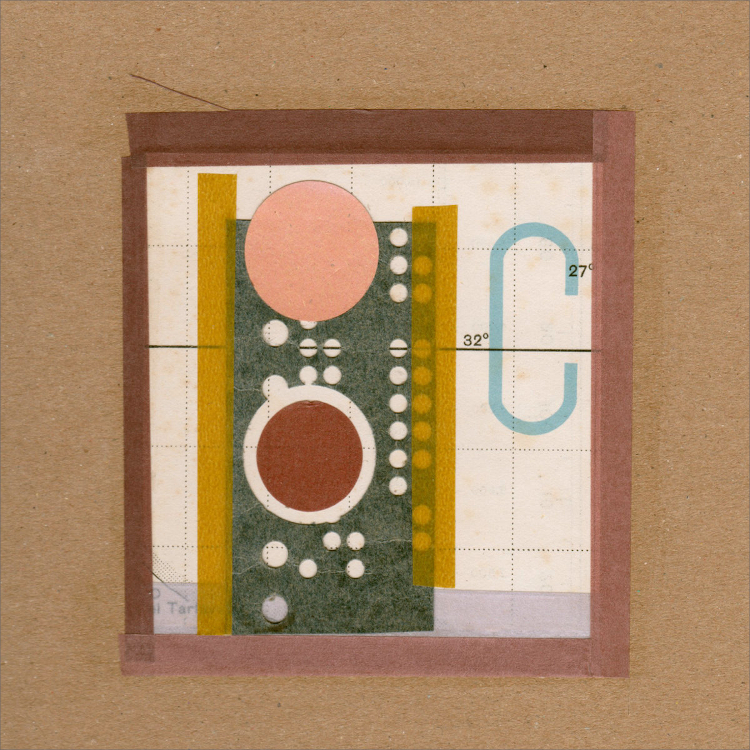
beneath still stars is available on handstitched* and returing light is available on Home Normal.








![[2View] Nekomachi/no wonder • なるほど & tsubai/ilulissat (Perceptual Tapes)](https://igloomag.com/wp/wp-content/uploads/2026/10/nekomachi-no-wonder-tsubai-ilulissat-tapes_feat-75x75.jpg)