


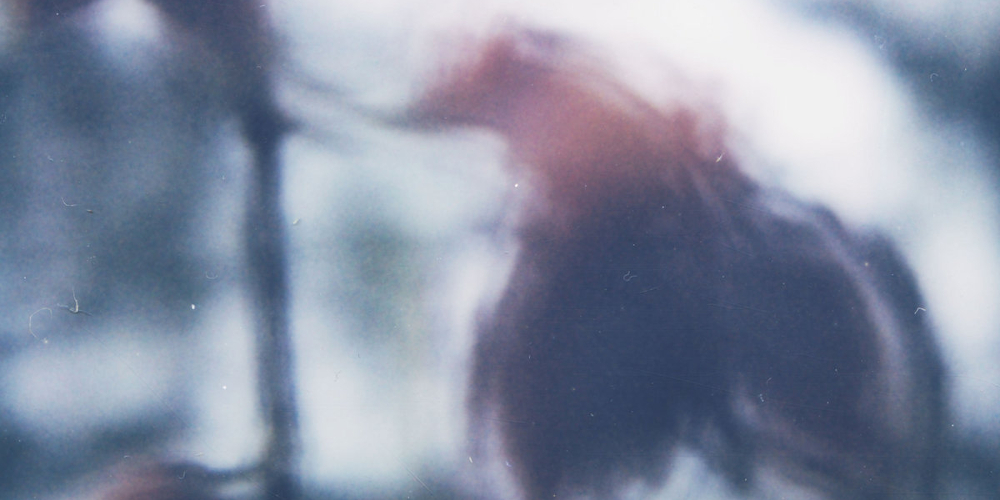
Landscape 07 unfolds in breaths: slow waves advance, overlap, recede and return in subtly altered forms. The movement is continuous, yet it can escape a distracted listener. You need to stop, allow the piece to find its own pace and follow its changes as you might follow shadows moving across a field.
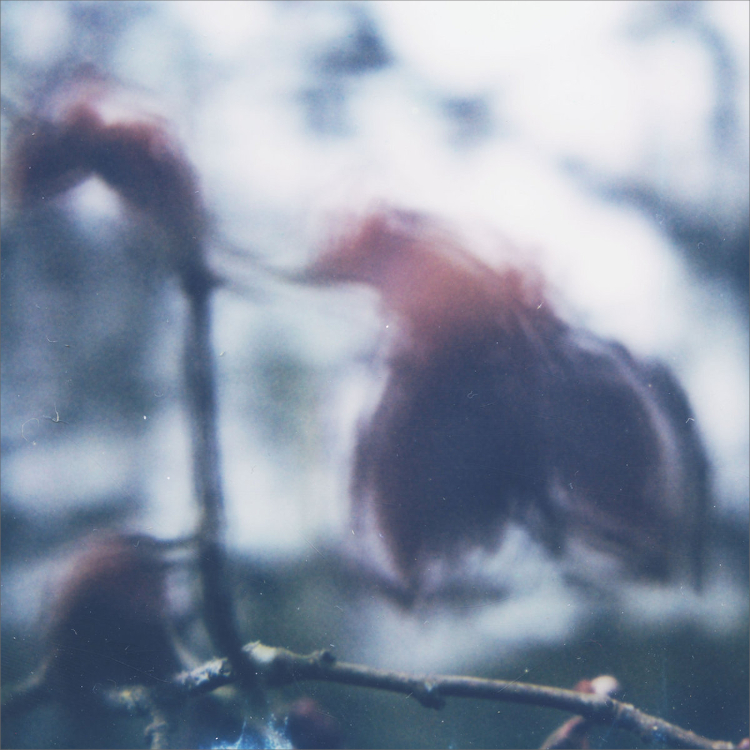
An accomplished expression of stillness, physical presence and transformation
Fields We Found is the alias of British musician, mastering engineer and visual artist Alex Gold, who founded the quiet details label in 2023. Following releases on Home Normal, Seil Records, handstitched*, and Ambientologist, Gold has increasingly focused his work on extended listening. The Landscape series grew out of compositions created for his personal meditation practice; over time, the creative process itself also became a form of meditation. Landscape 07, the seventh installment in the series, runs for more than twenty-five minutes. It is an extended live performance constructed from electronic instruments, tape and successive layers of sound.
The piece begins almost without a threshold. A broad sound emerges from the haze, already inhabited by tremors, gentle fluctuations and distant trails. During the opening minutes, the music gains weight; the volume rises calmly and glimmers of light move across its surface. From here, Landscape 07 unfolds in breaths: slow waves advance, overlap, recede and return in subtly altered forms. The movement is continuous, yet it can escape a distracted listener. You need to stop, allow the piece to find its own pace and follow its changes as you might follow shadows moving across a field.
“Later, individual lines drift apart and the landscape opens out. This is where the title finds its true meaning. The horizon remains; the light changes. It is a slow transformation, free of spectacular gestures, shaped by passages that can be felt before they can be defined.” ~Mirco Salvadori
The presence of tape can be felt in the sound’s internal movement. The notes have porous edges, slight instabilities and a warmth far removed from artificial stillness. Even when everything appears motionless, something continues to shift. The overall balance gradually changes, brighter colours surface and the mass of sound seems to lift. Later, individual lines drift apart and the landscape opens out. This is where the title finds its true meaning. The horizon remains; the light changes. It is a slow transformation, free of spectacular gestures, shaped by passages that can be felt before they can be defined.
Gold handles duration with patience and restraint. Each event is allowed to remain long enough to alter our perception of everything around it. In its central section, the piece takes on a darker, more introspective colour. Threads and reflections continue to move through the texture; through headphones, they reveal small lateral movements, like currents. Light then returns gradually and the music expands without losing its composure. This leads to the point of greatest emotional intensity, reached through patient accumulation. The journey feels natural, almost as though it had formed by itself, while retaining the freedom of a gesture made in the moment. The piece asks for a simple kind of openness: to remain, to listen, to give each nuance time to reveal itself and to accept that the inner landscape may change alongside the sonic one.
In these passages, distant echoes of German electronic music from the early 1970s begin to surface. The more abstract expanses of Tangerine Dream’s Zeit, the cosmic materiality of early Klaus Schulze and some of Cluster’s suspended atmospheres come to mind in the way timbre becomes form. Fields We Found keeps everything on an intimate, tactile scale. The connection lies in the trust placed in machines, in their natural drift and in the time a sound needs to reveal its hidden folds. Recording the performance directly to tape preserves the element of risk that gives life to such a gradual process.
“A single sound remains, along with tape hiss and a few distant reflections; eventually, these elements also slip beneath the threshold of perception.” ~Mirco Salvadori
An even closer affinity leads to Éliane Radigue. Landscape 07 shares the French composer’s attentiveness to what can emerge from within a prolonged sound and to the variations that appear when the ear stops searching for a melody. The historical and poetic distance remains clear; the surface here is denser and more explicitly ambient. Yet the kind of listening it requires is close to Radigue’s: focused, patient and ready to recognise an event within apparent stillness. Pauline Oliveros’ Deep Listening also comes to mind, particularly in its understanding of attention as an active part of the work, as does Suzanne Ciani, in the gentle way electronic sound can suggest physical movement.
Towards the end, the piece begins to subtract. The pressure recedes, its lines grow sparse and what remains reveals its irregularities more clearly. The farewell becomes fragile. The long fade avoids any emphatic sense of closure. A single sound remains, along with tape hiss and a few distant reflections; eventually, these elements also slip beneath the threshold of perception. It is an ending fully consistent with the work as a whole: the ear is left to measure the disappearance, while the silence that follows seems to last a little longer.
Landscape 07 succeeds because its calmness contains tension. Meditation here has density, pressure and material memory. The instruments breathe, the tapes impart instability and depth, and the studio work preserves the spontaneity of the performance. With each new listen, the hierarchy of details changes: something that first seemed marginal becomes a guide, a fluctuation turns into rhythm, a blur acquires definition. This is music that entrusts its richness to time and draws its strength from time in return. A remarkable entry in the series, and perhaps its most accomplished expression of stillness, physical presence and transformation.
Landscape 07 is available on quiet details. [Bandcamp]






![[2View] Nekomachi/no wonder • なるほど & tsubai/ilulissat (Perceptual Tapes)](https://igloomag.com/wp/wp-content/uploads/2026/10/nekomachi-no-wonder-tsubai-ilulissat-tapes_feat-75x75.jpg)