

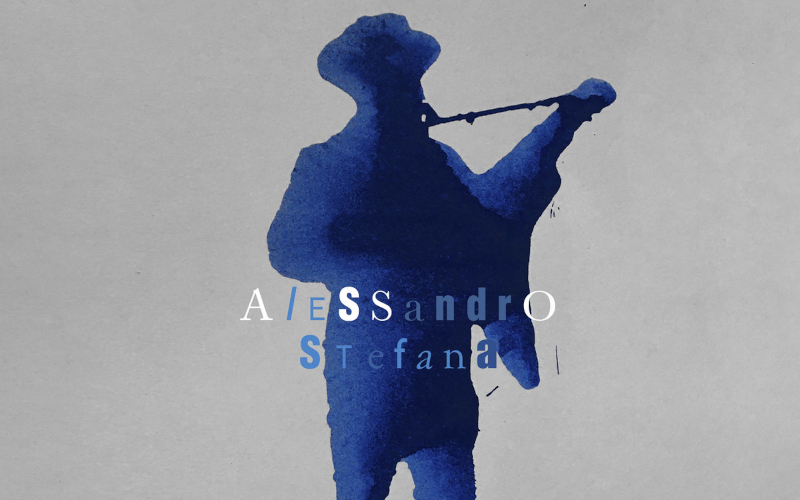


As the crisp Autumn air settles over the Ohio Valley, Alessandro “Asso” Stefana’s self-titled new album on Ipecac perfectly captures the season’s shifting moods with its experimental, folk-infused soundscapes. Blending minimalist arrangements, evocative Americana, and haunting archival vocals from Roscoe Holcomb, this record weaves a deeply emotional journey that feels both timeless and vividly rooted in place.
Experimental folk echoes Ohio Valley
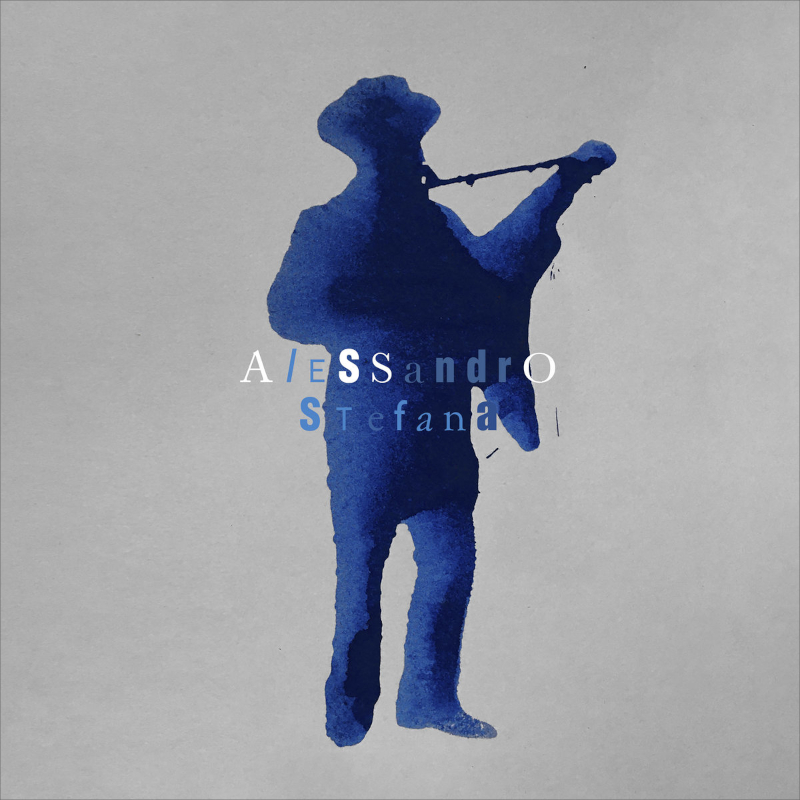
When the crisp Autumn air starts circling in the Ohio Valley, and the leaves start changing, I have a tendency to dig out my folk records, especially any that lean towards the experimental and psychedelic side of things. I’m always in the quest for new music to listen to in this vein as well, and Alessandro “Asso” Stefana’s new self-titled record out on Ipecac fits the mood I want to paint the air with as the daylight quiets into growing shadows, as the leaves turn and fall.
The first two songs on the album are like tonics that set the mood for everything else that follows, slightly bitter digestives quaffed with a few small bites before the first appetizer arrives. That appetizer is “Out of the Blue,” a gem of picked and plucked guitar ambiance with just enough bent twang to keep things on a microtonal level. The slide hits the notes in-between the notes, and I slide into the rest of this collection.
“The Wandering Minstrel” sits close to the middle of the album and can be heard as a kind of coda for the song gathered here. I hear it as a homage to the way musicians travel, plying their trade in front of audiences near and far, distributing songs, disseminating folk wisdom as carried in song, hearing new songs to pick up and add to their bag of songs, their bag of licks and tricks/ I hear it as an evocation of the way songs come into the mind while walking from one town to another, of a tune that might come to a player while riding in the back of a smelly van, or perhaps when Fortuna is smiling, a well-appointed tour bus. The gentle screech of bowed violin strings whine in the background like arthritis in the hands of a guitar player getting on in years. The violin sings of people met on the road, of people who walked into another life, and of the people who walk out of a life, of the faces in the crowd never seen or heard from again. Time to move on and play at the next stop. Keep on wandering.

The minimalist arrangements throughout the album allow for the full gravitas of each plucked string or bowed note to fully resonate in time. Even on quicker paced songs like “The House,” the miles of traveling seem to fly by, and I can see the rhythmic syncopation as light from the sun creating patterns as it dapples through the trees flashing into the window of the tour bus. Finally there is a respite for the wayward troubadour. Home is calling and “The House” is a song of homecoming, a sound of the joy of arriving back into a familiar place. This familiarity colors its jaunty air with an uplifted spirit. I delight in this kind of fingerpicking as it always steadies my wandering mind and brings calm to my heart, which is why I return to this kind of music so often. It helps me feel at home here in this world, where all too often it can feel like I am just some kind of wayfaring stranger.
The high lonesome sound of old time folksinger and late banjo player Roscoe Holcomb is resurrected out of an earlier recording from the Smithsonian Folkways archive on the song “Born and Raised in Covington.” Covington, Kentucky is right across the river from where I live, and the sounds of Kentucky are never too far from my mind. There the rivers of earth are made out of coal. Holcomb was a coal miner from the town of Daisy, further south in Perry, County. By contrast, Covington is a big city, in the shadow on Cincinnati on the other side of O-hi-o. The song tells a story of a man brought up by honest parents, and how he became a rambling boy in his twenties, and shot a man with his revolver when he saw his first true love walking with this other one instead of him. Then was sent to jail in Frankfurt, Kentucky’s capital, much to the tears and shame of his parents. Holcomb sings this one like no other, and the new musical arrangement given to it by Stefana is a reincarnation true to form and thoroughly metamodern.
Stefana channels Kentucky’s timeless spirit ::
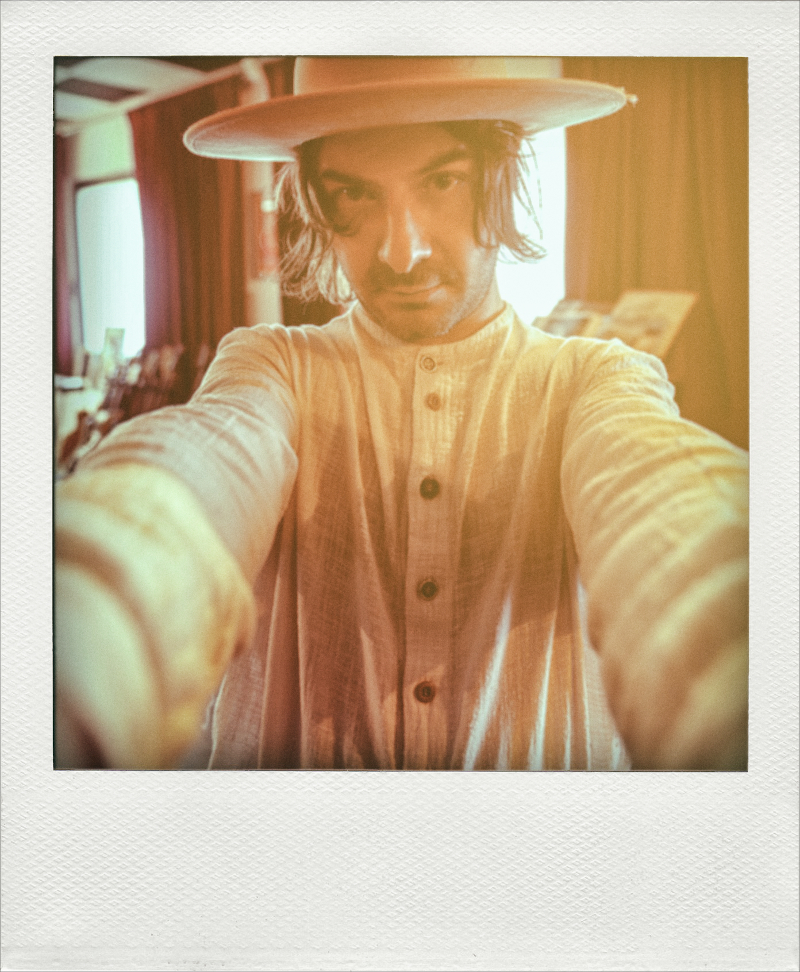
Alessandro “Asso” Stefana himself is an Italian guitarist who has worked on a number of projects and played in a number of bands. Meanwhile, Frankfurt, the capital of Kentucky is where the Italian side of my own family lineage settled, starting farms, working, having families, living their lives. Stefana captures the spirit of the Bluegrass land so powerfully in his musical accompaniment to Holcomb’s voice, it seems like he might have wandered into the granite and bourbon soaked hills of Kentucky himself. The music is rooted in place, it comes out of a specific terroir, like chianti wine, and because I am connected to some of these places, I can’t help but hear music like this as site specific, filtered through my own memories of the state. At the same time the original vibrations from Holcomb have since been long time travelers, and those folk singers from Kentucky voices traveled across the world in their records to infect the minds of listeners and players, enrapturing them under their spell. Stefana seems to be one struck by the spell, and he retransmitts that spell of back to us again in a new enchantment. Thus is folk music ever renewed with each iteration and passage from one player to another.
The more well known “Man of Constant Sorrow” is also rendered in a new version on this record. Again Stefana takes the voice of Holcomb and sets its high lonesomeness to his tender and tragic instrumentation. We hear Holcomb again in the familiarity of some dark holler of “Moonshiner.” This trio of songs employing Holcomb‘s voice is epic, and contrasts nicely to the earlier instrumentals on the record. All the pressure and pleasure from that first half of the album, gets released like steam from a train when Holcomb cries up from that dark holler.
I really feel like more artists should be sampling from the Smithsonian Folkways recordings as Matmos did on their masterpiece Return to Archive.
These songs are at once minimalist and primitive, in the American sense, ambient and deeply emotional, stirring up deep wells of memory and imagination. I’ll be sitting with this record for a long time and telling my more traditional leaning musical friends and family to give it a listen.
Stefan has worked with PJ Harvey, who was the producer of this album, and Mike Patton’s excellent Mondo Cane project of cinematic Italian song, along with Calexico and Penguin Café Orchestra. This guy really gets around and has played with some fellow masters. I’m so glad he brought his own sound vision to life in this masterful piece of work.
The album ends with the long song “Continental Spazio” clocking in at over thirteen minutes. It begins with warm organ tones that seem to be played through the vacuum tubes of an old amplifier. The notes play in a solemn procession, each consecutive note another step along a beatific aisle into an incandescent liturgy. It builds and builds and then it all seems to fade out before the second movement begins, as restive but dolorous drone. I’m in a place of contemplation after the journey through the ever evolving and changing world of song. It’s a fine place to rest, where the light generated from this music flickers like the soft glow of a candle against the walls of my mind.
Photo: Robert Cavalli
Alessandro “Asso” Stefana is available on Ipecac. [Bandcamp]




![You Us We Them :: memoryleaks (([||])) (CONDU||T)](https://igloomag.com/wp/wp-content/uploads/2026/09/you-us-we-tem-memoryleaks_feat-75x75.jpg)