



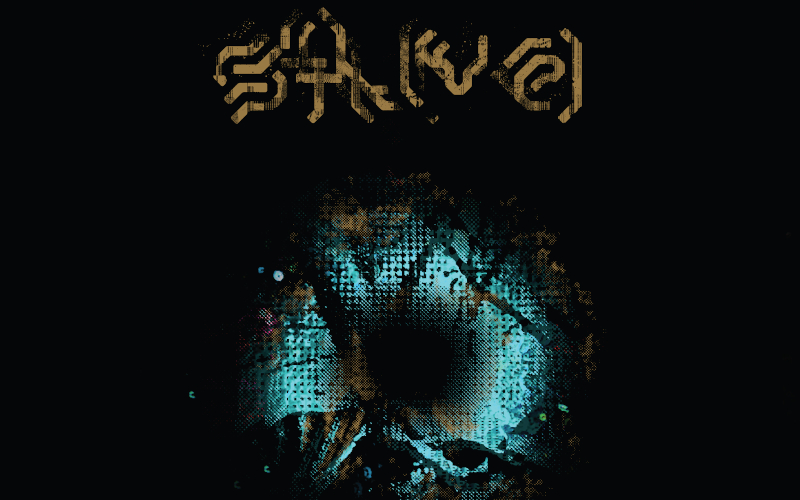

Seefeel return with Sol.Hz, their first full-length in fifteen years. Mark Clifford and Sarah Peacock — the core duo that’s anchored the band since its formation in the early 1990s, are back, and they haven’t strayed far from the blueprint. Seefeel built their reputation on blurring the line between shoegaze and electronic music, fusing guitar-based textures with ambient techno and dub production techniques.
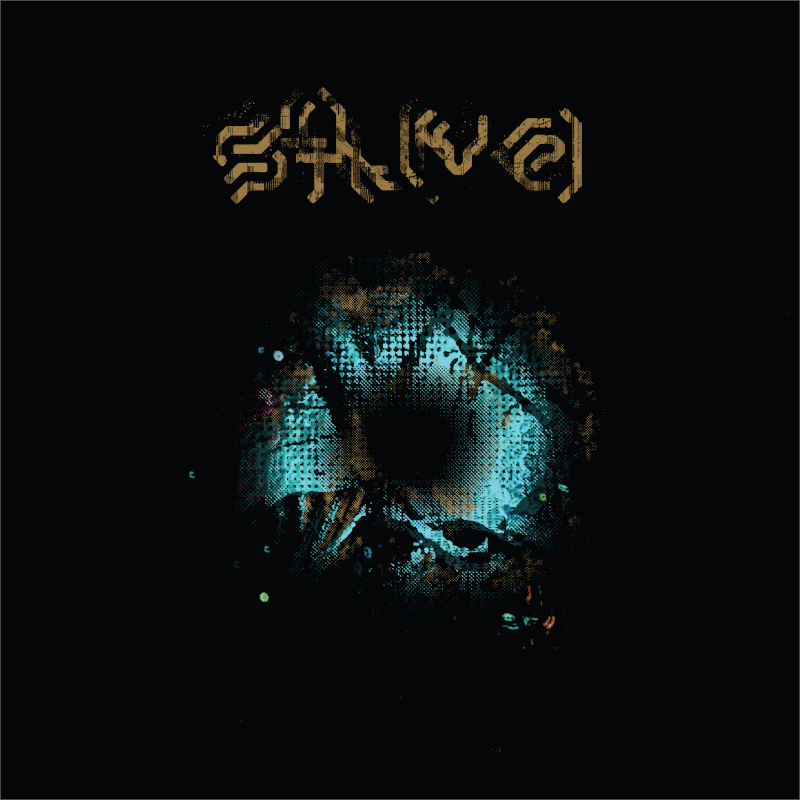
Sun plus electricity
Seefeel return with Sol.Hz, their first full-length in fifteen years. Mark Clifford and Sarah Peacock — the core duo that’s anchored the band since its formation in the early 1990s, are back, and they haven’t strayed far from the blueprint. Seefeel built their reputation on blurring the line between shoegaze and electronic music, fusing guitar-based textures with ambient techno and dub production techniques. In the early 90s, they were part of a small wave of UK artists who refused to choose between rock instrumentation and electronic sensibility. Their work sat at the intersection of dream pop, post-rock, and IDM — a space where few others operated with such confidence. Signed to Warp in 1994 as the label’s first guitar-wielding act, they released the critically acclaimed Quique (1993) on Too Pure, followed by Succour (1995) and (CH-VOX) (1996) on Warp and Rephlex respectively, before going on hiatus in 1997. They returned in 2011 with a self-titled album and have been quietly active ever since, including two mini-albums in 2024, Everything Squared and Squared Roots, both of which set the stage for Sol.Hz.
This album and the sound hasn’t left Seefeel. They haven’t had any breakthrough moment where they’re reinventing themselves, so you’ll get the classic sound of Seefeel here. The production leans heavily on ambient textures — sustained pads, cavernous reverbs, and spatial depth that shifts your perception of where sounds are coming from. Clifford‘s approach has always been about blurring boundaries, and on Sol.Hz, that means letting atmospheres breathe and evolve without forcing them into traditional song structures. The genre Seefeel falls into has always been hard to pin down, too electronic for the shoegaze crowd, too guitar-driven for the techno purists. But that’s where they thrive. This is ambient-adjacent music with a pulse, dub-inflected electronic music with a human touch.
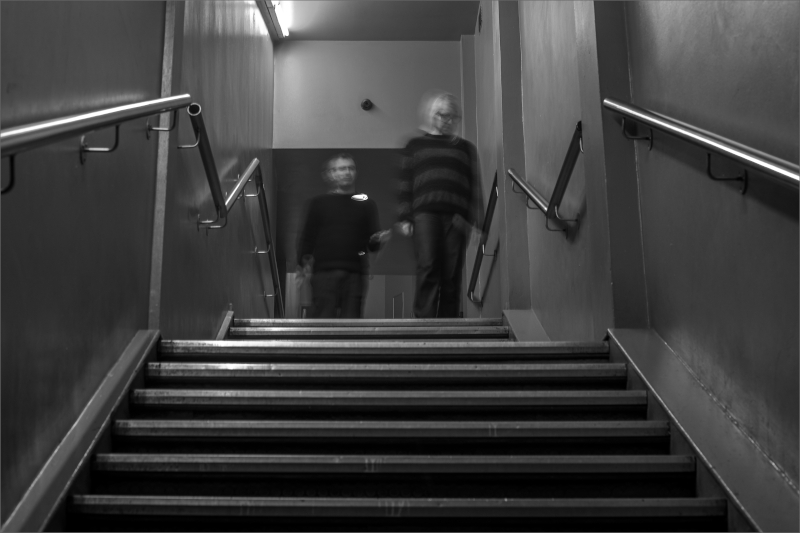
Photo: Jeff Pitcher
Sustained pads, cavernous reverbs, and spatial depth ::
Tracks like “Everydays,” “Behind the Seen,” “Falling First,” and “Until Now” have some rhythms introduced as the more percussive side of the album, recalling the quasi-industrial textures and skeletal beats of Succour. The drums here are restrained but intentional, sitting low in the mix and providing just enough momentum to keep the tracks from drifting into pure stasis. The opener, “Brazen Haze,” introduces their sound perfectly — not with guitar, but with atmospheric pads customized with reverbs that create a slow-building haze. The track feels weightless, like sound suspended in space, with field recordings and subtle processing layering in as it unfolds. This feels classic Seefeel, patient and immersive.
“Humidity Switch” and “Falling First” have similar feelings, as if they’re from the same ambient palette. Both tracks are siblings, built on subtle shifts in tone and texture rather than overt progression. Clifford‘s deceptively cloud-like arrangements sound almost ambient-adjacent at low volume, but on a proper sound system, the cavernous bass and skillfully employed effects mess with your perception. The reverb work here is meticulous, creating depth without muddiness, space without emptiness. Sarah Peacock‘s heavily manipulated vocals lend the tracks a vital human element, drifting through the trails of delay like slivers of melody caught in a fog. Her voice has always functioned more as an instrument than a focal point, buried in processing but still emotionally resonant.
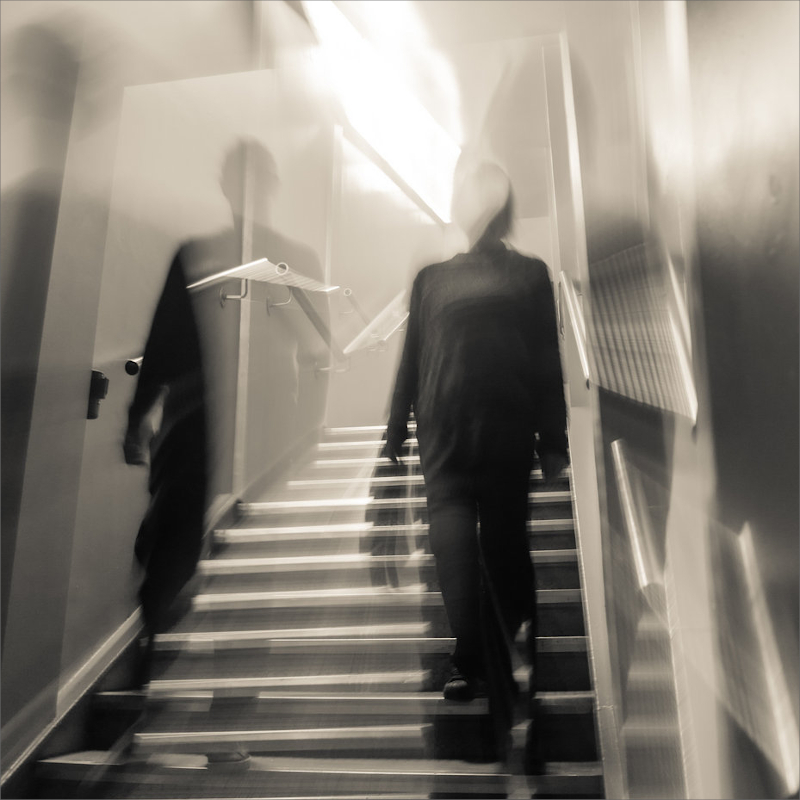
The high frequencies shimmer without being harsh ::
The production across Sol.Hz is clean but never sterile. There’s warmth in the low end, and the high frequencies shimmer without being harsh. Clifford has spent decades refining his approach to sound design, and it shows. The album title — Sol.Hz — translates literally as sun plus electricity, a fitting descriptor for music that feels both organic and synthetic, warm and precise. The ambiguity is intentional, just like the music itself.
Sol.Hz doesn’t push boundaries, but that’s not the point. This is an album for Seefeel lovers — the people who’ve been waiting fifteen years for a full-length, the ones who know that Seefeel‘s time has finally come. Younger artists like Maria Somerville and Yu Su have cited their influence, and the band’s catalog has aged better than many of their contemporaries. Where others sounded tied to the 90s, Seefeel‘s work feels prescient of where music was headed. The longtime perception of the band as sitting at the overlap point between electronic music and experimental guitar music meant they were often overlooked during their original lifespan, not making music that was instantly recognizable to either scene. Over the years though, this blurring of genre lines increasingly looks prescient. Sol.Hz reinforces that idea. It’s not a comeback because they never really left. It’s just Seefeel being Seefeel, and that’s more than enough.
Sol.Hz is available on Warp. [Site | Bandcamp]




![[2View] Maps and Diagrams’ beneath still stars (handstitched*) & returning light (Home Normal)](https://igloomag.com/wp/wp-content/uploads/2026/10/maps-and-diagrams-returning-light-beneath-still-stars_feat-75x75.jpg)