


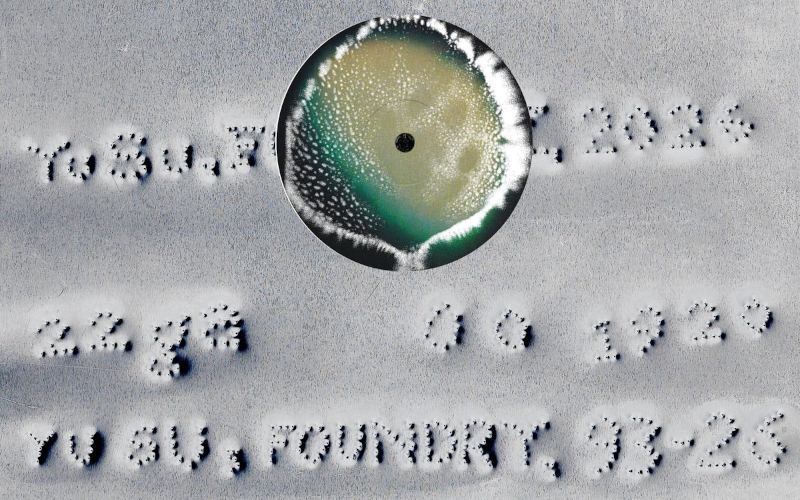


Overall, Foundry has a lot of diversity in it. It leans toward ambient, but given Yu Su‘s background as a DJ and her ability to move fluidly between genres, it makes sense. This is an interesting listen. It’s not as immediately accessible as Yellow River Blue, but it’s more cohesive in its vision. The collaborations add depth without overshadowing her voice, and the album feels like a natural progression rather than a lateral move. For a label like Short Span, which has been championing forward-thinking electronic music, this is a fitting release.
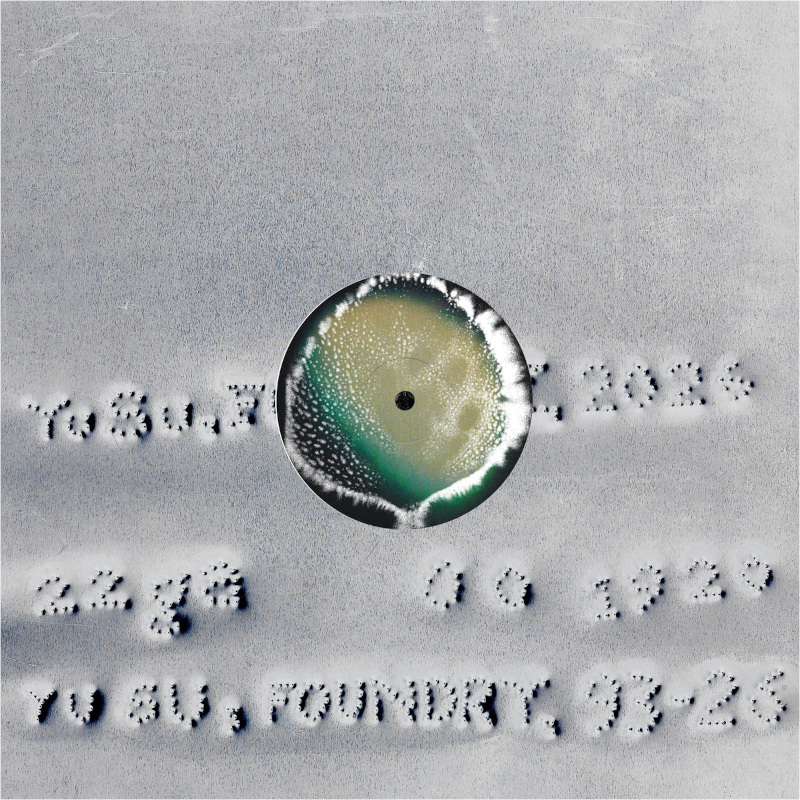
Darker, more restrained, and less interested in dancefloor functionality
Yu Su has spent the better part of the last decade carving out a sound that resists easy categorization. Her 2021 debut Yellow River Blue, released on her co-founded label bié Records and Music from Memory, was a personal reflection on identity, movement, and place, blending traditional Chinese instrumentation with downtempo electronica and new age-inflected production. She’s also a creative chef, hosting multi-sensory “Polyphonic Eating Experiences” where food and sound intertwine. Now based in London, Foundry marks her second full-length and a clear evolution in her approach.
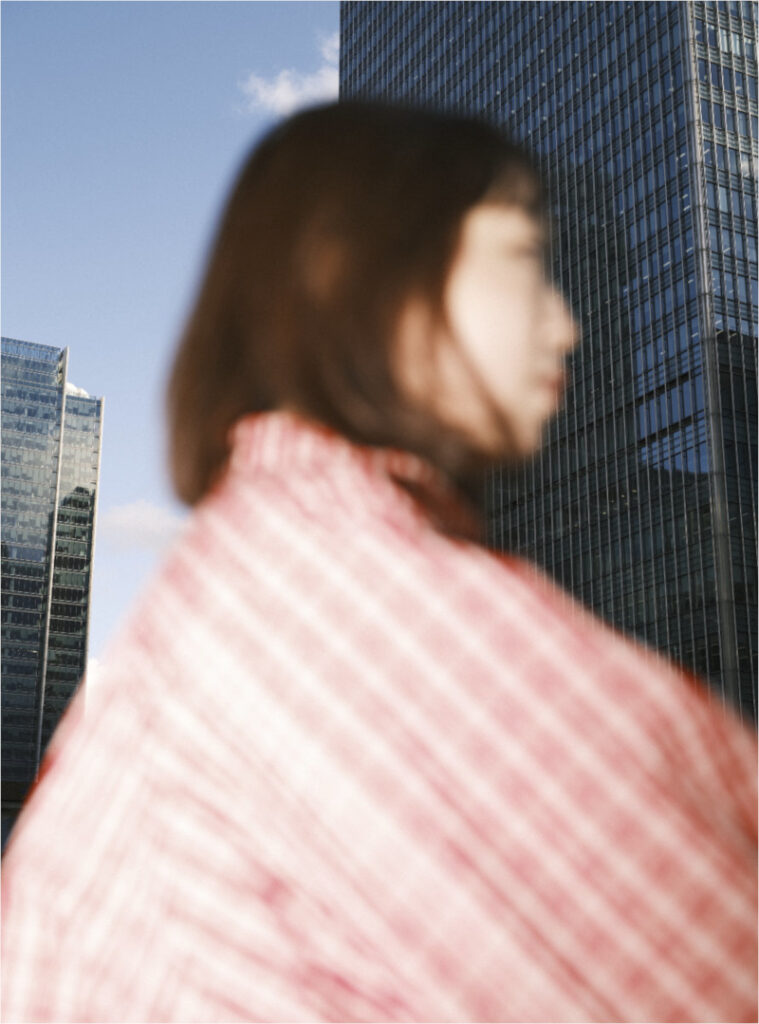
The album was written partially for a live performance at MUTEK in 2025, and the shift to London brought new perspectives. Yu Su describes the process as searching for an “in-between music,” a post-orientalist direction that honors her roots without leaning on exoticism. The result is a dusky, dub-inflected record that pulls from her eclectic DJ sets while embracing a newfound taste for minimal and ambient techno. The collaborations here are significant. Seefeel, the British electronic/post-rock duo of Mark Clifford and Sarah Peacock, have been blending shoegaze and ambient techno since the early 90s. Dip In The Pool, the Japanese art-pop pioneers who’ve been making experimental pop since the 80s, bring a different kind of ethereal quality. Memotone, the British composer known for his delicate ambient work, adds another layer. These aren’t just guest spots, they’re integral to the album’s chemistry.
The introduction, “A Jewel” featuring Dip In The Pool‘s Miyako Koda, is a strange opener. Ambient loops of vocal chops and samples build slowly, creating anticipation without much forward momentum. I didn’t expect much to come from it, but it has unique ambient blips and voice pattern chops that suddenly fade into a beautiful violin tremolo. Much of the release evolves around this type of sound and genre, beautifully composed pieces that drift between ambient, dub, and minimal techno without fully committing to any one. Yu Su‘s previous work on Yellow River Blue operated in a similar space, but that album leaned more heavily on downtempo house and new age influences. Foundry is darker, more restrained, and less interested in dancefloor functionality.
“Cul De Sac” is another beautifully crafted track, built around an ambient loop of a synth rhythm with pads that lead into softer drum patterns and rhythms. It’s a relaxing piece. “Foundry,” the title track, is the roughest on the album. It’s got a 4/4 kick and snares, and the acid bassline is catchy enough to keep the average listener engaged. It’s a head-nodding track, and I was surprised to hear the album turn in this direction. I didn’t expect it after the first three tracks, but it’s a welcome shift. The diversity here is one of the album’s strengths.
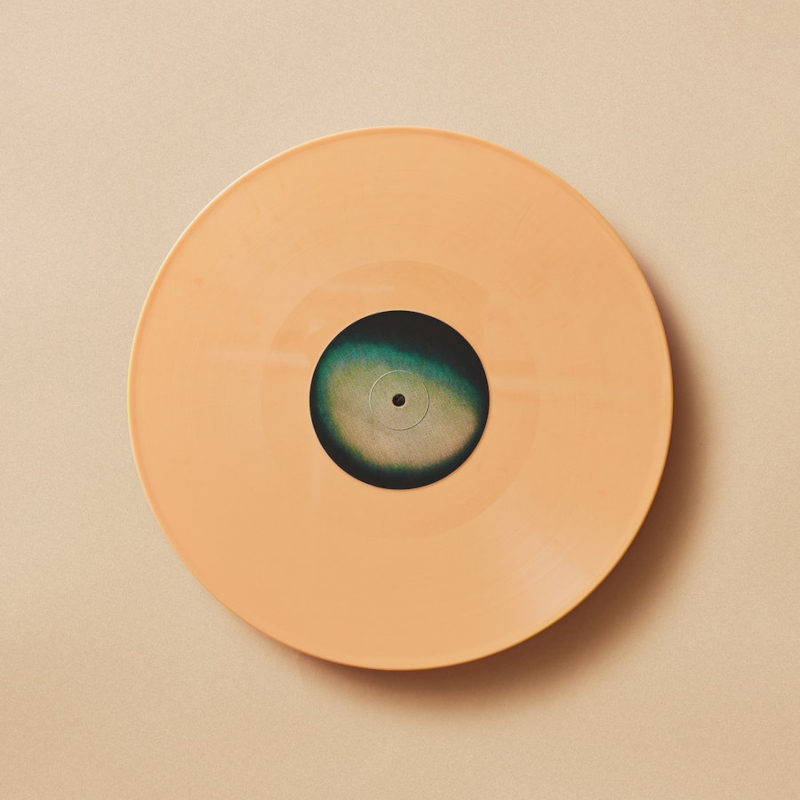
The track featuring Seefeel, “One Place After Another,” pulls back toward the ambient side. It’s very different to hear Seefeel in this context compared to their recent works. The melody is there, and their style is recognizable but the structure of the track is all Yu Su. It’s a hypnotizing piece, and one of the most successful collaborations on the album. Seefeel have been refining their blend of processed guitars and electronic textures for over three decades, and their influence here feels natural rather than imposed.
“Wanli” is another different track, with bongos and varied percussive rhythms. It’s an ambient drum mix, leaning heavily on rhythm without ever becoming overbearing. The last two tracks are ambient as well, but not like the first three. They’re more atmospheric, less structured, and they close the album on a reflective note.
Overall, Foundry has a lot of diversity in it. It leans toward ambient, but given Yu Su‘s background as a DJ and her ability to move fluidly between genres, it makes sense. This is an interesting listen. It’s not as immediately accessible as Yellow River Blue, but it’s more cohesive in its vision. The collaborations add depth without overshadowing her voice, and the album feels like a natural progression rather than a lateral move. For a label like Short Span, which has been championing forward-thinking electronic music, this is a fitting release.
Foundry is available on Short Span. [Bandcamp]