






The inclusion of the original album version closes the circle, reaffirming the strength of a composition capable of surviving such radical reinterpretation. Not merely a remix package, but a study in how distinctive source material can continue evolving without losing its identity.

Functional and exploratory; club-focused yet resistant to conformity
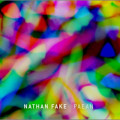
Few contemporary producers inhabit techno’s established language with the confidence and individuality of Nathan Fake. His work is built from familiar materials: piston-driven 909s, acid-suggestive basslines, vast synth architectures, and melodies that gather momentum with almost unbearable patience. Yet what continues to distinguish Fake is his refusal to settle into genre orthodoxy. Every element feels recognizably techno, but arranged according to a logic entirely his own. The result is music that is simultaneously functional and exploratory; club-focused yet resistant to conformity. It recalls the atmosphere surrounding the seminal Lost parties of Steve Bicknell—serious, immersive, and utterly committed to the dancefloor experience.

Originally lifted from Evaporator, Fake‘s celebrated attempt to distil decades of dancefloor immersion into a form of radiant “daytime techno,” “Hypercube” now returns through a collection of remixes that illuminate different facets of its design. Fake‘s own “Hard Version” strips away any remaining daylight and drives directly into the small hours, intensifying the original’s pressure without sacrificing its emotional gravity. Taut, focused, and devastatingly effective.
Basile3 contributes the collection’s most thrilling mutation, transforming the track into a fractured machine-funk exercise where rhythms buckle, pivot, and reassemble around the original motif. Electro currents ripple beneath the surface, lending the track a sense of restless momentum and ecstatic instability. Mac Seldom takes a rougher route, locking into broken rhythms and low-slung tek-funk mechanics, allowing vocal fragments and subterranean bass pressure to collide in gloriously unruly fashion. Tukan, meanwhile, embraces escalation, preserving much of the source before unleashing a colossal white-noise crescendo that feels less like a breakdown than a controlled systems failure.
The inclusion of the original album version closes the circle, reaffirming the strength of a composition capable of surviving such radical reinterpretation. Not merely a remix package, but a study in how distinctive source material can continue evolving without losing its identity.
Hypercube is available on InFiné. [Bandcamp]