



A new wave of acting performances and narratives that challenge traditional literary conventions of detective stories or crime novels, shift the focus toward deeper existential themes and highlight aspects of the human condition.
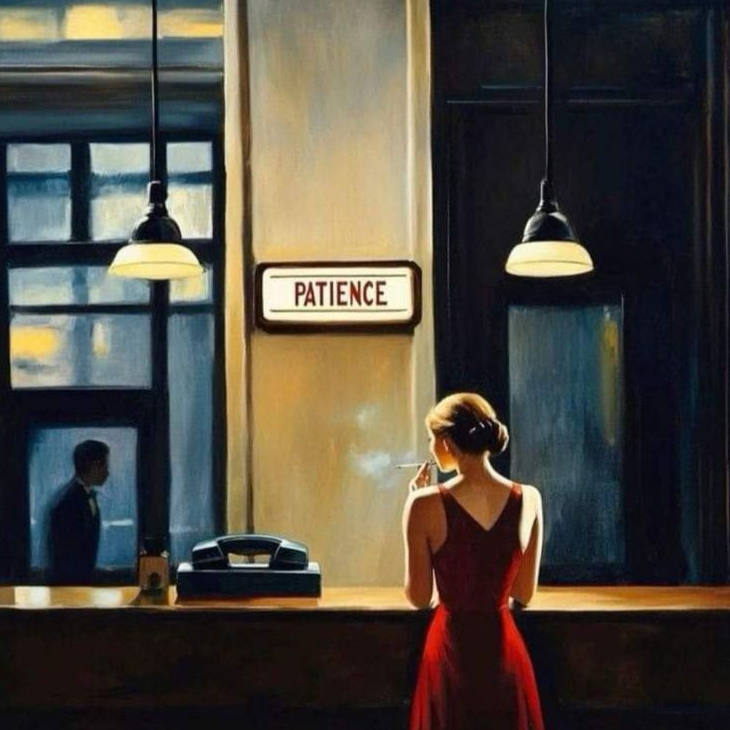
Dramatic and gloomy atmospheric moods
What we used to call dark romance novels (noir fiction) is a sub-genre of detective stories but imbued by an austere and enigmatic twist with lost characters trapped in a gritty urban setting, wandering solitary at night and tormented by criminal affairs, trying to escape from their fatal destiny in a self-destructive manner. A new wave of acting performances and narratives that challenge traditional literary conventions of detective stories or crime novels, shift the focus toward deeper existential themes and highlight aspects of the human condition. The effort is also put on more dramatic and gloomy atmospheric moods, giving to the ensemble a slowly evolving and threatening pace.
Numerous classics have been adapted on screen such as The Maltese Falcon (1930), The Big Sleep (1939), The Postman Always Rings Twice (1934). A few film directors make this genre their speciality, such as Fritz Lang (during his U.S. production such in The Fifth Victim, Otto Preminger (with Laura, Anatomy of a Murder.) This movement and growing enthusiasm around noir fiction started from the 40s (Out of the Past, 1947, Double Indemnity, 1944, The Killers, 1946, Murder, My Sweet, 1944)— with a pinnacle during the 50s with The Hitchhicker (1953), Sweet Smell of Success (1954), Elevator to the Gallows (1958), then a decline around the 60s (The Pawnbroker, 1964, Joy House, 1964), with a slight rebirth after the success of Chinatown (1974) and Taxi Driver (1976), Scarface (1983), but also Blood Simple (1984), Naked Lunch (1991).
The alluring soundtracks used for many of these films borrowed from classic to cool, free and lounge soothing jazz, including the participation of Miles Davis, Duke Ellington, also Lalo Schifrin, Ornette Coleman, Art Ensemble of Chicago, and Bernard Herrmann. The music suggests, and put into moods and tone colors, what is not said, partly hidden or undeciphered in the movies. It contributes to the particular emotional signature of the movies, tainted by mystery, seduction, fear and loneliness. It adds and enhance a poignant dramatic mood. Neo-noir films counts a certain number of classics, starting from David Lynch’s Blue Velvet (1984) with experimental jazzy scores by Angelo Badalamenti, but also the electronic-tinged and sophisticated mood music by Dean Hurley. The trippy, ambivalent and darkly mysterious Naked Lunch (1991) by David Cronenberg and based on controversial visionary novel by William S. Burroughs, is also worth of consideration for the renewal of the genre, this time with a free-jazz soundtrack by Ornette Coleman.
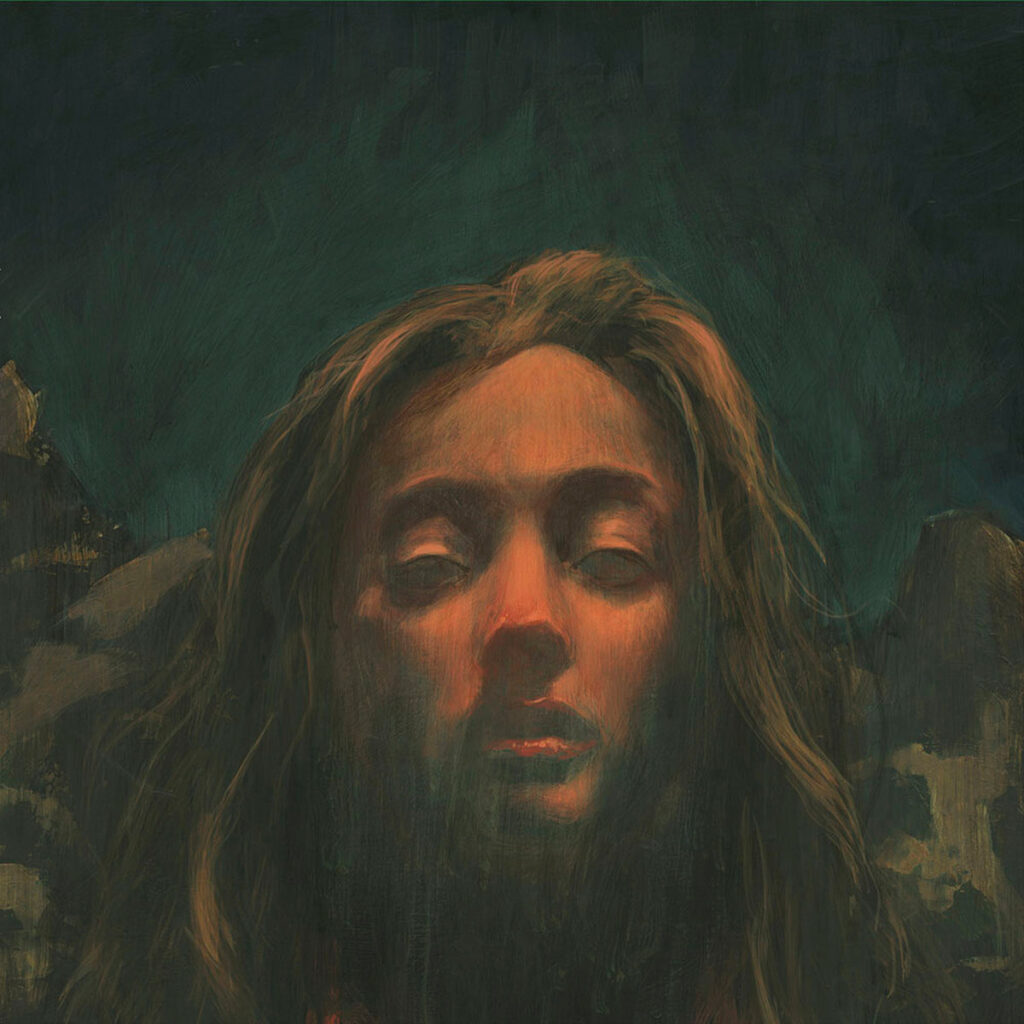
From the late 90s, the rising of an entirely new musical scene derived at once from the post-metal scene and electronic ambient with a strong emphasize on dreary, gloomy, noir fiction cinematic tendencies. The film noir lugubrious ambience is openly caught in slow-core jazzy sequences where saxophone patterns are melted with utterly brooding electronic textures and static droning chords. The German band Bohren & der Club of Gore is known to be the leading project in this new instrumental and experimental music spectrum. Albums like Sunset Mission (2000) or The Black Earth (2002) are instant classics. Now we focus on a few cornerstone albums which came after Bohren & der Club of Gore gained popularity.
When albums blend cinematic ambience with dark, atmospheric jazz tones and visuals that evoke noir detective stories and surreal sci-fi experiences, there’s no doubt that the U.S.-based Cryo Chamber music catalog stands out as a top recommendation. Headed by Simon Heath (Atrium Carceri, Sabled Sun), the label is mostly renown for its deep ambient sounds and moving cinematic space ambient releases, but a small and significant portion of the production is dedicated to moody-esque jazz ambient: Wordclock, Phonothek, Dead Melodies, and more recently Beyond the Ghost are among the most representative ones despite that their musical aesthetic goes beyond this sub-genre to embrace a large panorama of chilling and atmospheric music with roots in synthetic ambient.
This time from Russia, with a flair for evocative soundscapes that celebrate the fusion of two iconic film genres—sci-fi horror and detective noir—we find standout contributions from projects like Mirror Image Artifacts and Chaotic Bound Systems. Both projects deliver highly tense, tremendous and gloomy-tinged pieces where bass rumbling tones, meandering ghostly textures, and chill-out hypnotic electronic minimal grooves are intertwined (for Mirror Image Artifacts) and weird atonal crescendos for Chaotic Bound Systems. The indie label aquarellist who published a wide range of experimental sound art and dark ambient releases from Bass Communion, Cisfinitum, Rapoon, provide a few memorable albums to enrich the world of reflective doom ambient jazz, notably from Manet and Povarovo.
We can not talk about this specific branch of experimental and electronic jazz music without mentioning the importance of Denovali Records with a handful of modern classics from Dictaphone, The Mount Fuji Doomjazz Corporation, The Lovecraft Sextet, The Kilimanjaro Darkjazz Ensemble. In terms of musical sophistication, overwhelming atmospheres, stylistic refinement, and classy interpretations with a challenging signature, no doubt that this label is probably among the finest. For instance, the following albums showcase remarkable compositional skill, offering emotionally charged, slow-tempo ambient jazz that flows from sophisticated instrumental pop to pure avant-gardism and laid-back downtempo electronic. Essential listening.
Next to Denovali Records, Dark Jazz Records, and Signora Wards Records (Round Midnight radio series, HEFT) are also in the league to defend versions of jazzy music dived in a bath of aural and majestic darkness.
Also the trip-hop, fruitfully imaginative, enthralling jazzy electronic orientated Perdition City (by Norwegian post-metal Ulver) with its black aura is also worth mentioning in the list of foundational albums. Musica Cthulhiana takes back to the fore what Borhen has offered in the genre but sublimates it with some heart-stirring melodies, sorrowing sax melodies, heavy grieving chords, and other vesperal drones.
At last, Detour Doom project is also a cheer companion to other names mentioned from above with terrifying atmospheres where discreet instrumental jazzy lines meet a cloud of utterly haunting doomscapes, fatal moods, and outer-world silky-ghostly voices chill and ravish our ears.
All in all, those projects and composers take back the vaguely sinister mood of atmospheric films which belong to neo-noir cinema, re-using and manipulating stylistic codes and standards in an innovative, challenging and adventurous direction. Amplification, distortion, and electronic sonic effects are applied on soothing-brooding jazz timbres to create a unique sound image, singular, acid, shadowy, suspenseful and transportive, suggesting evocative sceneries of foggy urban nights, immense desert cities. Retro-ish, experimental, and functional at once.
Though not heavy on electronic elements, these artists still embrace a vibrant experimental edge, crafting scenographic and richly dark jazz atmospheres—exemplified by Mark Cunningham, Joel Fausto & Illusion Orchestra, Apostrophe, and Liquid Laughter. If you’re drawn to blurred minimal drones, hypnotic repeating waves, deep jazz-infused basslines, and delicate brass improvisations, don’t miss these flowing, trippy, and timelessly bleak cinematic journeys.