

Making music for Hiram is an intuitive act of connection. Shade Songs blend nature, musical thought, darkness and light.
Blending deep listening and ecological awareness with a hardware based, electro-acoustic process
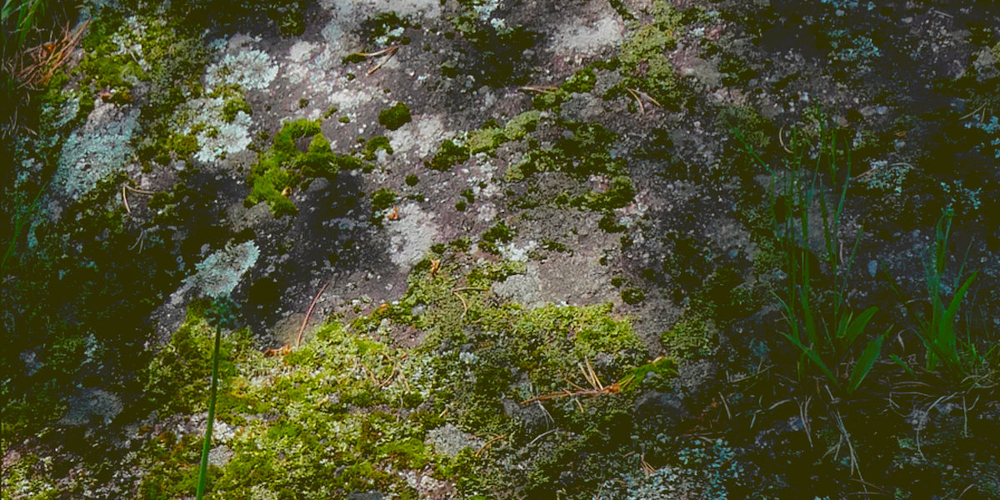
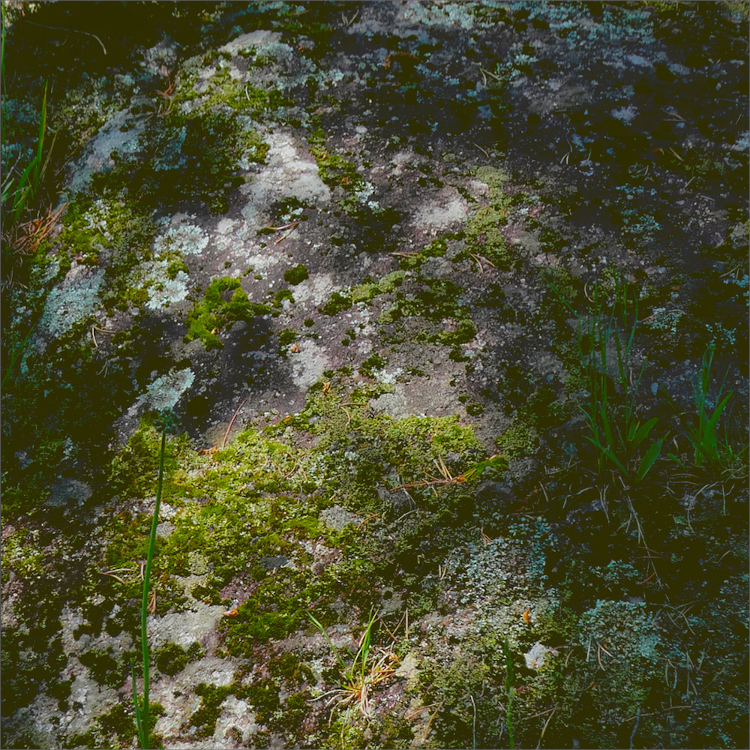
Electronics and traditional instruments (piano, perhaps a vibraphone, flutes, etc.) with field recordings sourced from coastal palms and desert landscapes, combining light and shadow to create shade or perhaps the illusion of three-dimensional depth on flat surfaces. Hiram‘s latest offering is built from real-time improvisation and layered sound environments, the album offers a series of intimate studio portraits at the edge of the human and natural worlds. The work conjures vistas and shorelines, while blending deep listening and ecological awareness with a hardware based, electro-acoustic process. Making music for Hiram is an intuitive act of connection. Shade Songs blend nature, musical thought, darkness and light. Perhaps shade is a place of temporary hiding, mystery, or a protective cover. The cover artwork features original photography by the artist, and was captured at Trails End Campground, Superior National Forest in Minnesota.
Umbra, the deepest darkest part of a shadow, could refer to several famous stories across different fictional universes. When a light source hits an object, it creates specific zones of illumination and darkness at the very dark tiny gap right where the object touches a surface. With “Umbra” (6:08), I hear sounds of movement in tall grass pushing through, night crickets and maybe a vibraphone, a piano and mystery. “Tsel” (2:52) is the Hebrew word for shadow or shade. In biblical tradition and Hebraic thought, it carries a deep metaphorical story regarding protection, divine presence, and how humanity is framed as a living reflection or shadow of God. The sound is symbolic of the transitoriness of life, starting with a glow and growing into something new and fully formed. I hear chimes and a choir in the shadows, leading me to imagine the shade from a tree or rock, a shadow that closely follows and mirrors its source—implying humans exist to reflect divine purpose in the physical world. A dry breath over a hollow stem creates magic in the wind, “Sedge” (2:57). Sedges are grass-like wetland plants (Cyperaceae) that thrive in wet areas, damp woods, and shady spots where traditional grasses often fail. They are identified by their solid, triangular stems. The middle tones blend as the surface curves away from the light. The tempo is slow, sacred, and deep.
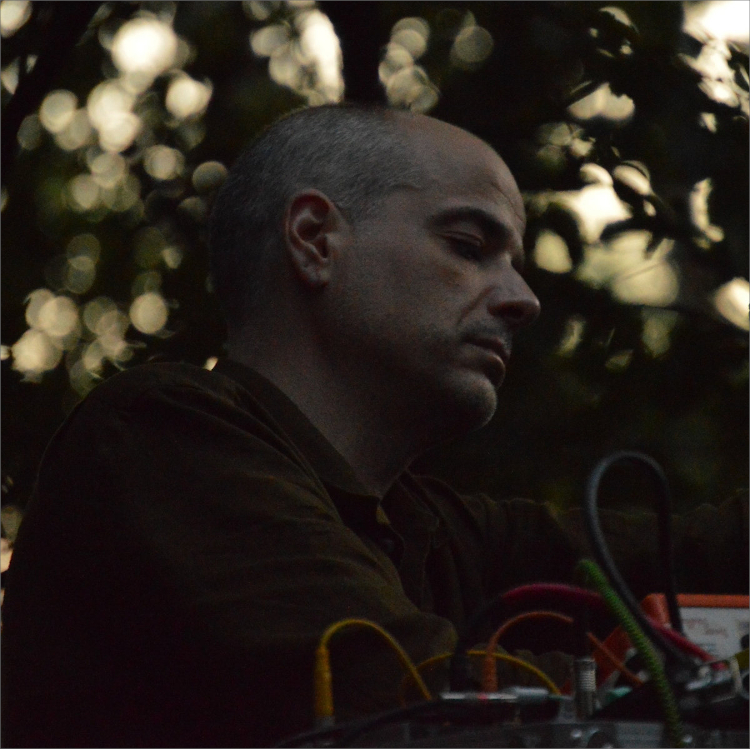
Exploring the relationship between mental rest and wandering thoughts ::
Cercis is the scientific genus for the redbud tree, but the word also brings to my mind Circe, the powerful Greek sorceress. “Cercis” (3:28) is slow and uses a very delicate touch of the bow on strings, forming lots of harmonic sparkles. I hear very quiet slow long tones, slow motion tumbling. Quies was the goddesses of silence and personification of tranquility, the Roman personification of peace, quiet, and rest from the stresses of travel or life. “Quies” (2:39) sounds like quiet magic, exploring the relationship between mental rest and wandering thoughts, lights and spirits hover over the lake as we pass by, flying around in the slow dreamy darkness. Light is used to describe the condition of a person’s inner serenity as seen on the face. Light always travels in a straight line. Now I might hear a koto, “Rami” (2:20). The sound is dark, lacy, and slowly flickering, a sacred oriental hush and delicate vibe. Now, “Alba” is the ancient Gaelic name for Scotland, also a female name, “Alba” (3:34) brings a haunting melody, this seems lighter and most welcoming, while something is down in the cave, dark shadows, a calm breath, something is eating raw carrots. Imagine a journey of transformation ahead, “Lente” (2:20), beginning by fasting in the desert and enduring temptation by Satan. The feeling is changing from dark dirge to a brighter drone, and into many drones with voices hidden in there. It could be the sun, a light through a window or an artificial light. Following into the mandolin caves, “Lucet” (4:44) braids chords of suspense. I feel the tension build as we get bigger and slower, there is mystery in the cave. And there may be a piano in here too.
The essence of light and shadow in Hebrew thought is a moral and cosmic boundary created to separate order from chaos, while Latin and Roman thought views them through a physical and political lens of clarity, civic duty, and the stark contrast between truth and deception. “Viridis” (4:36) is a Latin word meaning green, the humming gets brighter, this is the closing song opening with bowed strings, synth keyboard, getting slowly brighter, a meditation and awakening theme, with golden light and luxury pearl tones. The interplay between light and darkness has captivated human imagination for centuries.
Matthew Hiram is a multi-disciplined artist and electro-acoustic composer based in Minneapolis. He creates minimal compositions for flute, strings, and synthesizers, incorporating field recordings and the electrical signals of plants. Hiram is also one half of the chamber-ambient duo Visible Light.
Shade Songs is available on Permaculture Media.

Related posts ::
 Visible Light :: Sierra de Luquillo: A Living Soundscape (Permaculture Media)
 Emba / The New Honey Shade :: Cinq / NEXUS (Handstiched*)
 Eli Neuman-Hammond :: New Songs (Self Released)
 V/A :: Shade Rather Than Light Anthology Three Mix (See Blue Audio)
 Philippe Blache :: Across the Silence and the Shade (Mahorka)