




Analogical Force has long occupied the productive tension between experimentation and the dancefloor’s accumulated memory. Hidden Soul sits firmly within that tension, fluent in its established language and meticulously composed. But perhaps the most exciting possibility lies just beyond that fluency: not abandoning the listener, but trusting them enough to take the familiar somewhere unfamiliar.
Muscle memory and accumulated emotional shorthand
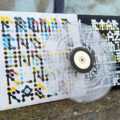
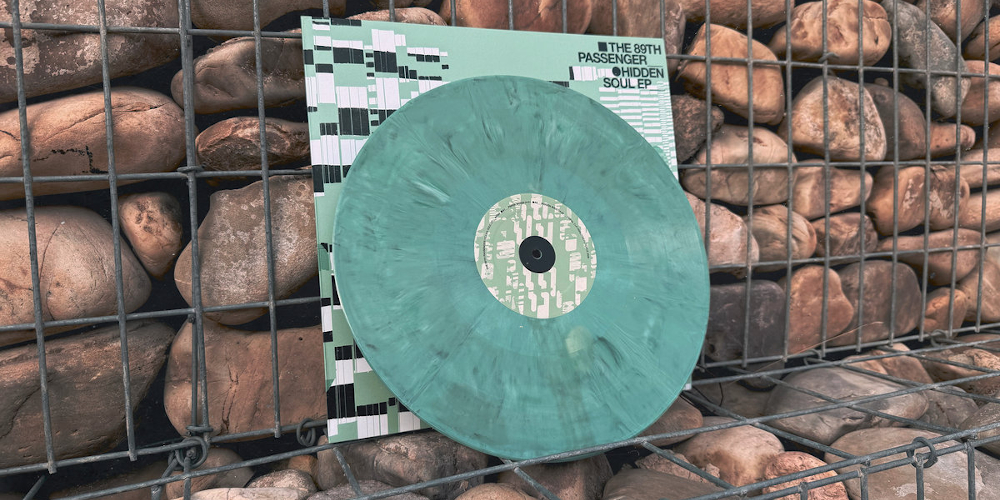
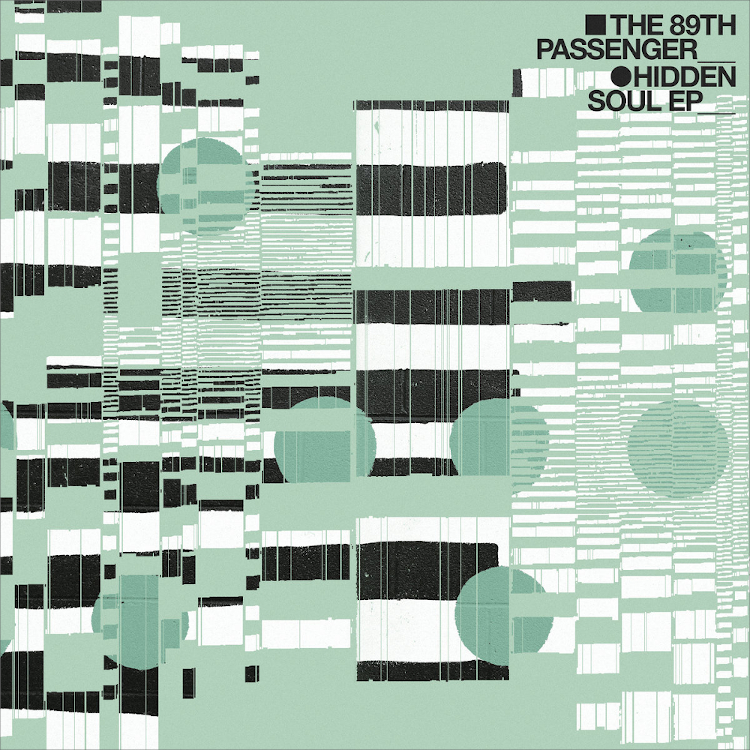
The 89th Passenger returns to the release schedule of one of contemporary dance music’s more compelling production houses with Hidden Soul, from Paris-based Jeremy Cohen delivering five tidy, DJ-friendly excursions into the familiar architecture of breaks, pads, subs and euphorically melancholic atmospheres. This is music that understands the dancefloor not as a problem requiring reinvention, but as an existing language, complete with its own grammar, muscle memory and accumulated emotional shorthand.
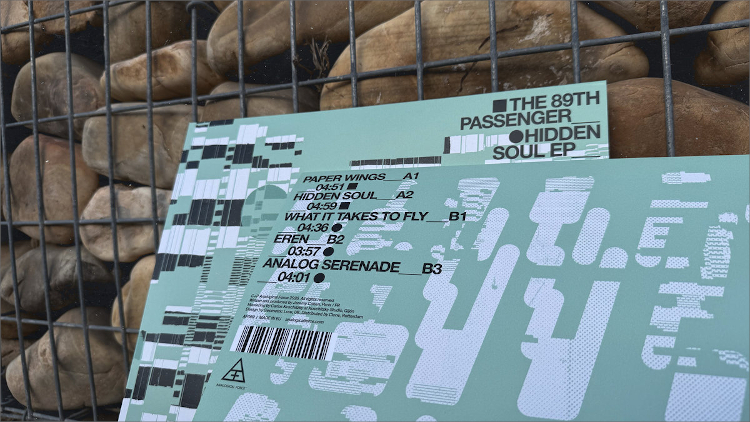
“Paper Wings” establishes that grammar almost immediately. Chopped breaks, rounded subs, 303 squiggles and luminous pads are looped into clean, recognisable frames, each element occupying its expected orbit. There is something almost architectural about the neatness of it: familiar components assembled into a functioning environment designed to communicate quickly, cleanly and without obstruction.
“Hidden Soul” pushes further into the low end, drawing on break patterns whose familiarity is part of their appeal. Its immediacy is hard to resist; the rhythmic language seems already lodged somewhere in the listener’s body. “What it Takes to Fly” lightens the palette considerably, pairing pretty 303 work with gorgeous tones and gently arpeggiating synths. Its carefully managed peaks, troughs and breakdowns possess an almost cinematic emotional shorthand—the kind of musical optimism that could soundtrack an airplane disappearing into a sunrise.
Music interested in making the familiar feel good ::
“Eren” continues along those coordinates, allowing textures to breathe while the rhythmic components settle into a quiet, efficient momentum. It feels less like a departure than another room in the same building: different light, familiar construction. “Analog Serenade” finally shifts the pace and texture again, suggesting another route through the material without substantially redrawing its map.
And this is where the record becomes more interesting as an artefact of contemporary dance music. Its boundaries are visible. This is not music attempting to make the familiar unstable; it is music interested in making the familiar feel good. The breaks remain breaks, the 303 remains gloriously 303, and the emotional trajectory arrives largely where expectation has already placed it. There is safety here, but it is designed safety: a deliberate perimeter around the possibility of surprise.
Yet accessibility and predictability are not the same thing. Music can push its own materials beyond their comfort zone without alienating the listener. In fact, some of the most generous dance music does precisely this, inviting you into a recognisable room before quietly moving the walls. Safety can be useful, but it can also become lazy—an easy creative cheat in which recognition performs the emotional labour that invention might otherwise have to do.
Analogical Force has long occupied the productive tension between experimentation and the dancefloor’s accumulated memory. Hidden Soul sits firmly within that tension, fluent in its established language and meticulously composed. But perhaps the most exciting possibility lies just beyond that fluency: not abandoning the listener, but trusting them enough to take the familiar somewhere unfamiliar.
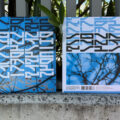
Hidden Soul is available on Analogical Force. [Bandcamp]