




Such an exploration might seem at first more fitted to harsh noise or the post-industrial genres, but the sounds here are lush and radiant, calming, relaxed. There is the pungent fragrance of death present, but it isn’t cloying, but something familiar and comforting.
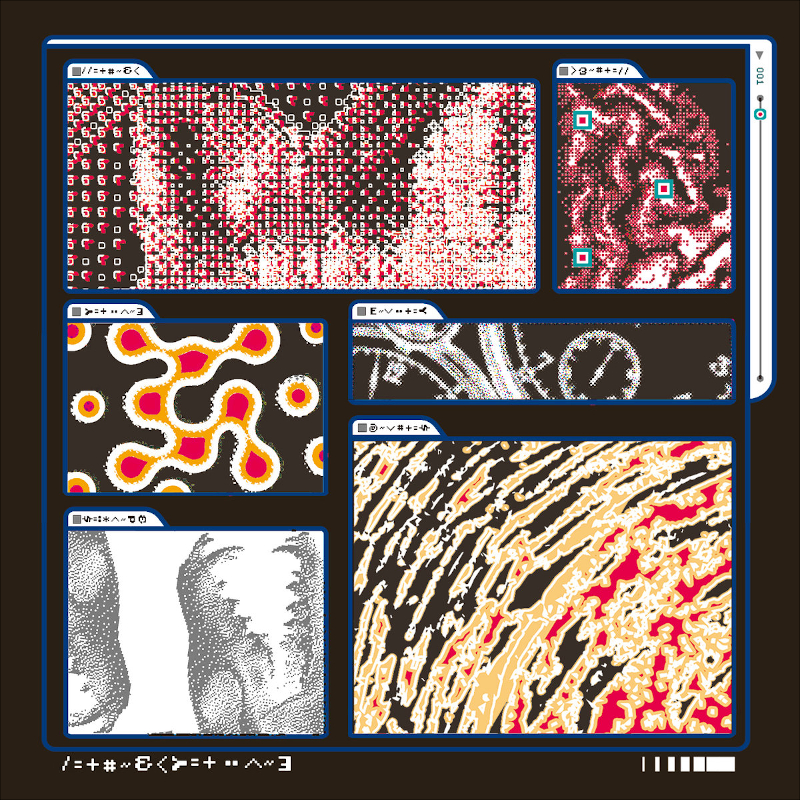
The diversity of microorganisms
The worms crawl in and the worms crawl out in this is an extended meditation on death. It’s a musical ode to the detritivores who come in and assist in the process of breaking down the constituent elements back to their component forms and returning them to the earth, or in this case into the pavement. Saapato took his his inspiration from a dead red fox he saw while driving to work, and the changes he observed in its carcass over the course of his commute day after day. Who knows when the muse will strike, but if a creator is open, a project can be given life by observing so-called “dead matter.”
It takes an artistic mind, or perhaps an alchemical mind, to find the beauty in the rot. But even the Dead Kennedy’s only made their music about rotting fruit and vegetables. This may be roadkill music, but Saapato found the beauty, because this is gorgeous stuff in an introspective ambient vein. Not just a belly engorged with maggots, but blooming with life as the sun beats down relentlessly on its bloated body.
This is an album with many collaborators, one for each of its seventeen tracks, and for so many players it has achieved a remarkable unity. Perhaps this unity can be understood as the diversity of microorganisms involved in the process of a good death. Perhaps it showcases the way Saapato has taken each of their contributions, each with their own perceptual lens and aesthetic, and wraps them up in the illuminative presence of his own overarching musical vision. It should also be noted that this album is as microscopic in its detail as are those microrganisms eating away at the body on the side of the road.
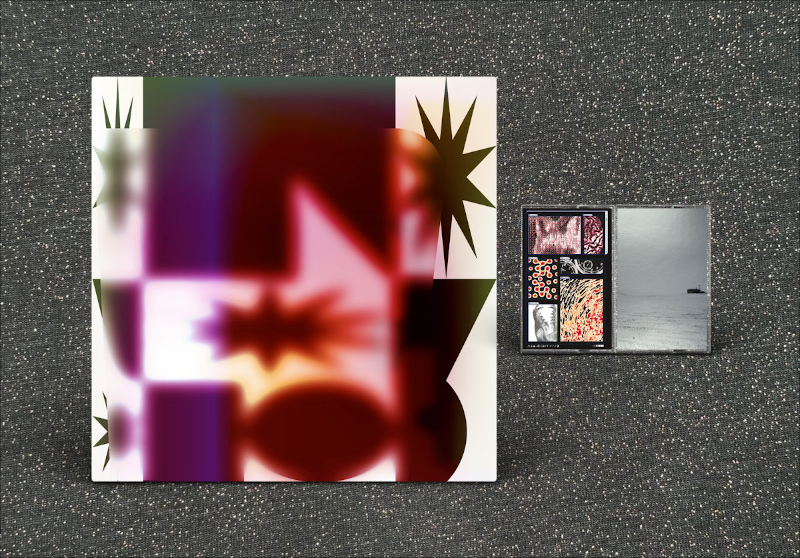
Detail can be found in the decay ::
Some of my favorite contributions come from Gregg Kowalsky, KMRU, and Nailah Hunter. Besides the joy for the artist that can come in working closely with others, there is the joy for the listener who gets turned on to a bunch of artists they didn’t know of before. There are people here whom I have heard, heard of, and many new names—and those names can form a list to go explore and investigate. Laraaji guides the worms crawling in and out as the featured collaborator on the opener and closer.
That so much detail can be found in the decay is a tribute to their collective imagination, and their willingness to look at what others would turn away from. But that is the beauty and necessity of art, to look where others fear or won’t and translate it into music that is not scared by exhibits a calm transcendent ecstasy. Such an exploration might seem at first more fitted to harsh noise or the post-industrial genres, but the sounds here are lush and radiant, calming, relaxed. There is the pungent fragrance of death present, but it isn’t cloying, but something familiar and comforting.
Throughout there are biological sounds, reminding us, that even when we are gone, we’ll be recycled and turned into something else. Saapato considered his collaborators here to be “decomposers” who took his original skeleton tracks and source materials and transformed them into something else.
Life moves in cycles and so does sound. In this contemplative album, the music regresses through the five stages of decomposition: fresh, bloat, active decay, advanced decay, and dry/remains. It makes me wonder how those might map onto the five stages of grief.
As Coil sagely noted in their song “The Last Amethyst Deceiver”:
“pay your respects
To the vultures
And to the crows
And to the carrion crows… for they are our future”
Thanks to these creatures some diseases can be kept at bay, and death can once again be transformed into life. In the end nothing is ever lost.
Decomposition: Fox on a Highway is available on Bandcamp and cassette by Constellation Tatsu.