

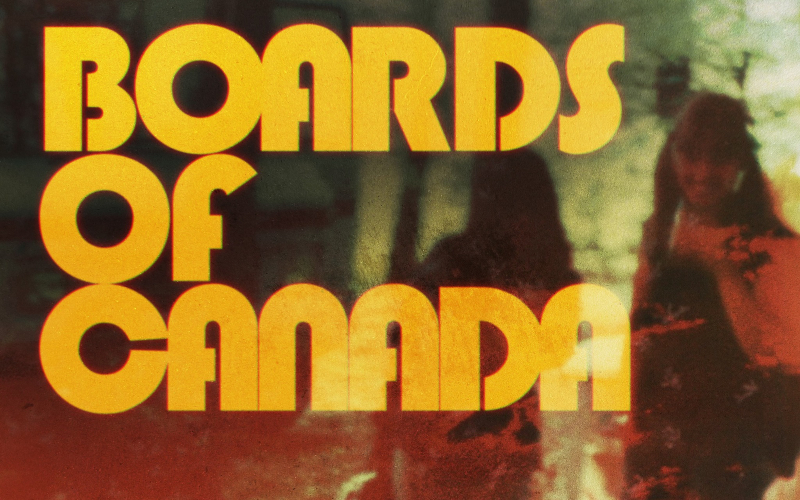

I trust BoC to make something interesting and emotionally effective, but when it comes to their music’s meaning, they’re slippery and mysterious. Inferno is a collection of pieces that grapple with scary feelings, scary beliefs, and the inescapable feeling that you can only trust your senses so far.
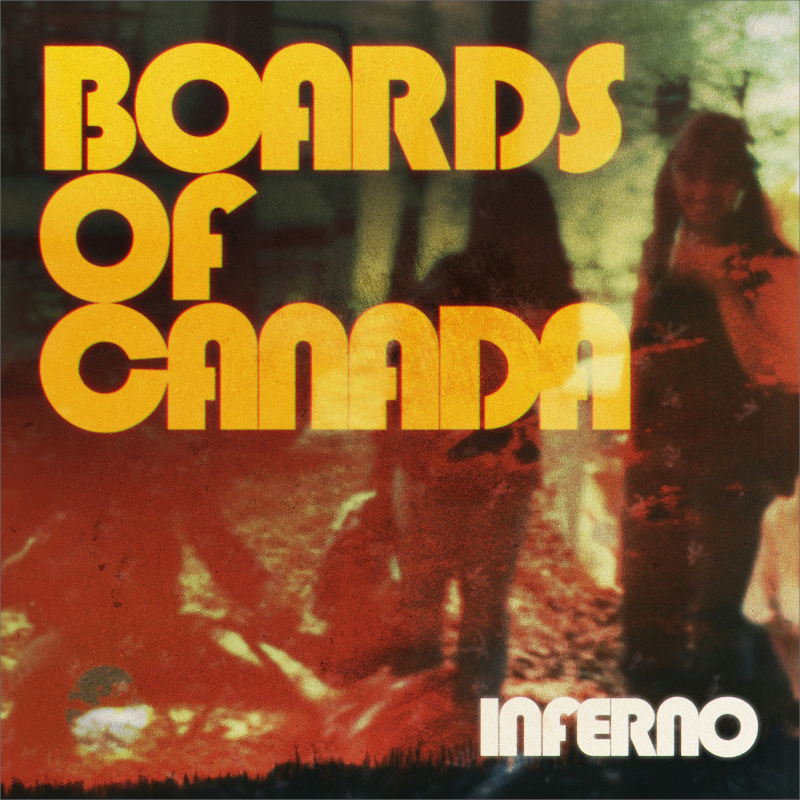
Inferno’s sound is brightly lit and sharply focused
For fans of Boards of Canada, Inferno is a long-awaited reward for their loyalty to the Scottish brothers. The mystique that BoC has built up since their last release, Tomorrow’s Harvest in 2013, is finally addressed in Inferno. Some listeners have come away from Inferno disappointed, including The Guardian. While their perspective struck me as a shallow analysis, I found the review focused more on expectations surrounding the album than on the details, textures, and qualities of the music itself.
Inferno is a departure from their earlier work; it’s clearly a digital production with plenty of analog undertow. They still have a penchant for wobbly, indistinct pads, but they’re not an affectation, they’re a commitment to an unstable pitch center. But there’s no consistent warm bath of hiss, each sound stands immaculate against the digital black silence. Where Music Has The Right To Children sounds like a soft focus movie scene filmed through a blurry lens, Inferno’s sound is brightly lit and sharply focused.
An acousmatic transformation of sounds ::
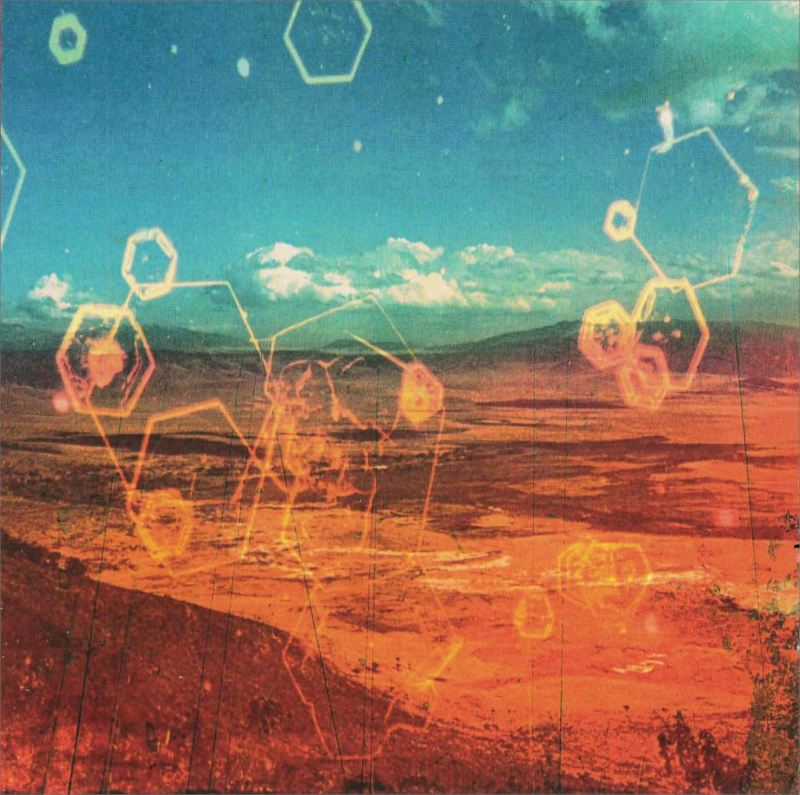
BoC have a new fixation on the moody, driving movie soundtracks by John Carpenter. Inferno is also an audio homage to the sounds of 1980s British dreampop: the chorused guitar in “Prophecy At 1420 MHz” sounds like Cocteau Twins or early The Cure. But the prevailing trait of this—beyond their long-standing proclivity for certain moody chord changes—is an acousmatic transformation of sounds. There’s some clear vocal samples and conversations, but they’re layered against an answering understory of speech digitally rendered unintelligible. Even utilitarian sounds, like the clap on the backbeat of “Hydrogen Helium Lithium Leviathan” aren’t straightforward. It sounds halfway between handclaps and finger snap, bathed in a halo of hiss. The looped chorus on “Age Of Capricorn” is another mystery. You can hear them sing words but they’re difficult to make out. As it turns out, devoted BoC listeners armed with headphones and patience have already unraveled them:
“This will always come to be
Will always come to be
I am worthy of your gift
I am worthy of your gift“
Inferno uses more vocal samples than previous records. For example, ”Father And Son” has a dialog about love: “I love you, but I love the Lord more than I love any physical being,” which is answered “I think that’s wonderful. But then why can’t you bring that same feeling home?” It sounds like a creepy fundamentalist father saying his love of God puts him in opposition to his family.
The religious tone continues with the use of a Hare Krishna chant in the serene bliss of “Naraka.” BoC uses religious speech with creepy undertones, echoing the palpable dread of movies like The Exorcist. They use religious samples and song titles—“The Word Becomes Flesh”—for atmosphere. They’re explorers of the darkest corners of religious discourse, not to proselytize but to analyze.
Inferno asks “why are these beliefs, clearly outside the consensus universe, so powerful? Why do they affect us even if we don’t share those beliefs?” BoC keeps the question open. They’re interested in how a horror movie can use religious imagery to inspire fear in an atheist. For example, “The Word Becomes Flesh” takes the vocal samples—a discussion of the development of an embryo—and nudges the timing to match the words to the beat. Warping the natural speech rhythms to match the drums makes it strange, but also gives it a poppy, propulsive energy, matching the rhythm of early hip hop MCs. The track was also recently featured over the end credits of Kane Parsons’ film Backrooms (2026); released on the same day as Inferno.
Chromatic modulations and deceptive cadences ::
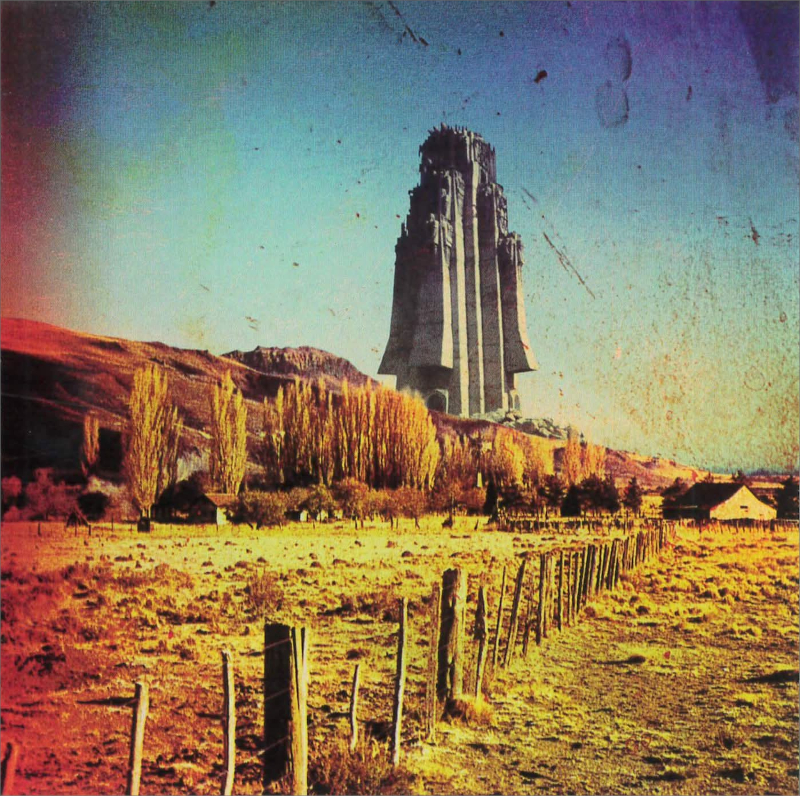
“Into The Magic Land” is built on a 4 bar loop—D Minor, Bb Minor, Db Major, C Major—that has an unexpected turn in the middle. Fans will instantly hear that middle change and know it’s BoC. “Blood In The Labyrinth” is similarly built out of chromatic modulations and deceptive cadences, as though they wanted to construct a labyrinth out of harmony. Each loop through the chord progression ends unresolved before returning to the tonic, then repeats. They slip in alternate chords to keep you lost in their maze.
Boards of Canada, like Autechre, grew up with hip hop and electro. Their beats still reflect the classic boom-bap rhythm they learned from Schoolly D and Public Enemy. But that’s just the skeleton they dress up with their acousmatic distortions of “real” sounds alongside synthesized imitations. To listen is to engage with the accessible inviting warm bath of their off-kilter downtempo groove, never certain of what you’re hearing. I trust BoC to make something interesting and emotionally effective, but when it comes to their music’s meaning, they’re slippery and mysterious. Inferno is a collection of pieces that grapple with scary feelings, scary beliefs, and the inescapable feeling that you can only trust your senses so far.
Inferno is available on Warp. Bleep | Warp | BoC | Bandcamp
Related posts ::
 Boards of Canada :: Inferno (Warp) — In an Age of Ruin, We Need to Believe
 Boards of Canada :: Inferno (Warp) — [Hypothesis]
 Boards of Canada announce Inferno (Warp) — May 29, 2026
 Boards of Canada unveil video for “Introit / Prophecy At 1420 MHz” from the forthcoming album Inferno (Warp)
 Boards of Canada :: Inferno Sessions @ Barnsdall Gallery Theatre, Los Angeles May 22, 2026 · 7:30 PM