





Rasmussen incorporates his own vocals more than ever, weaving them seamlessly into intricate electronic textures as he expands his sound into new territory while retaining the subtle restraint that has defined his work.

Balancing precision with emotion, experimentation with accessibility
Janus Rasmussen arrives with INERT, and it’s fresh to the ear. The Faroe Islands-born, Reykjavik-based producer has spent the past decade building a wide-ranging body of work through collaborations and projects across multiple genres, most notably as one half of KIASMOS alongside Ólafur Arnalds, whose recorded output has gained worldwide acclaim and seen them perform at major festivals around the world. But Rasmussen‘s solo work operates in a different space. His Nordic Music Council Prize-nominated debut album Vín (2019) honed his minimal techno sensibilities into an hour-long exploration of acoustic textures and electronic sound design. Before that, he was a member of Icelandic electro-pop outfit Bloodgroup and has since worked across Reykjavik’s music scene as a producer, songwriter, musician, and mix engineer. Inert is his most ambitious solo project to date, thematically exploring the act of breaking free from inertia through embracing creative freedom. With this album, Rasmussen incorporates his own vocals more than ever, weaving them seamlessly into intricate electronic textures as he expands his sound into new territory while retaining the subtle restraint that has defined his work.
As a first-time listener to his solo output, I quickly think of Radiohead. I definitely see a lot of Thom Yorke influence here in his work, but Rasmussen‘s style is very diverse in electronic music, visiting all realms of genres and very vocal-driven. Great vocal work throughout the album. This leans toward the more commercial side of electronic music at times, think BT‘s melodic sensibility, but the vocals are very pleasant to listen to here. They sit in the mix with precision, never overpowering the production but always present, guiding the tracks forward.
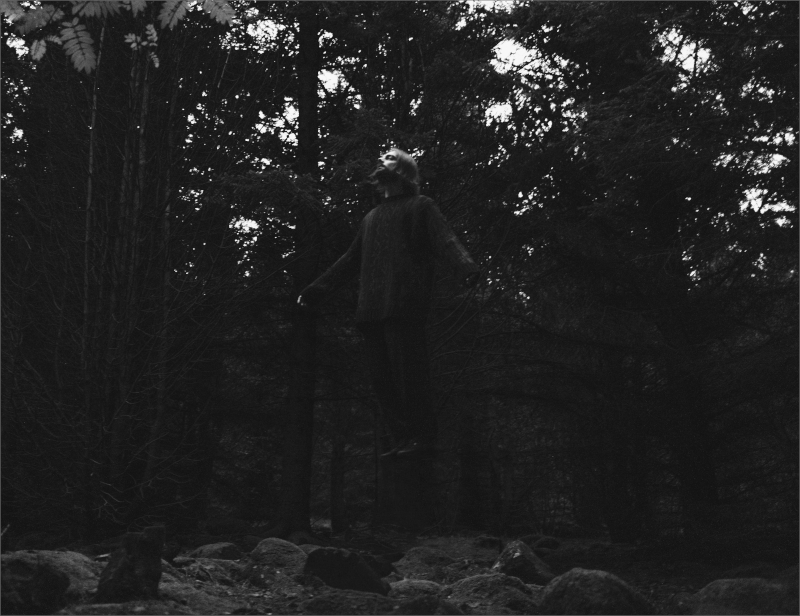
Visiting all realms of genres and very vocal-driven ::
There are bits of dancier tracks throughout the album. “Murk,” “Doom,” “Tomb,” and the closer “Spiraling” have very happy and bouncy rhythms and catchy melodies. These tracks pulse with energy, but they’re not relentless. Rasmussen plays a lot with melodies and effects, and little interludes in his tracks are his strength throughout this listen. Breaks and interludes serve a crucial function in dance music, they give the listener space to breathe, reset, and re-engage. In electronic music as diversified and spread out as this, where genres blur and tempos shift, these moments of pause become essential. Rasmussen uses them strategically, pulling back just before pushing forward again. It’s a dynamic approach that keeps the album from feeling one-dimensional. The interludes aren’t fillers, they’re intentional, adding texture and pacing that make the dancefloor moments hit harder when they arrive.
Rasmussen plays a lot with effects here and utilizes his vocals throughout the album in ways that feel both experimental and accessible. His voice is processed, layered, and manipulated, but it never loses its humanity. Overall, this album is a very strong vibe in its vocal range and melodies. Not too commercial, not too underground — it sits comfortably in the middle, which is exactly where Rasmussen seems most at home. INERT feels like an artist who’s fully in control of his sound, balancing precision with emotion, experimentation with accessibility. For a solo project exploring the act of breaking free from creative inertia, it delivers on that promise.
INERT is available on Embassy One June 19, 2026. [Bandcamp]