






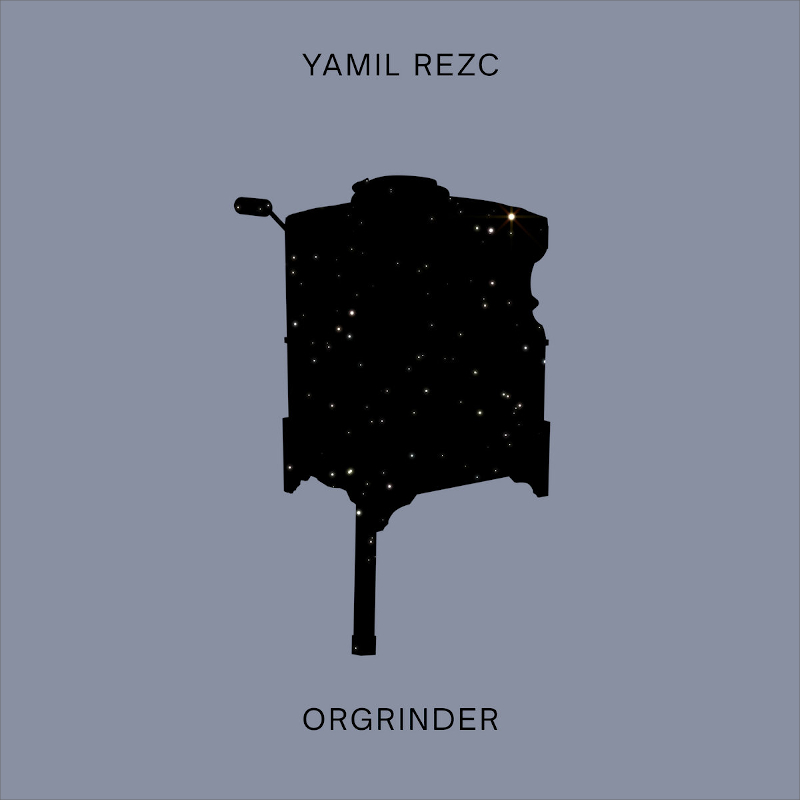
Yamil Rezc’s Orgrinder is a quietly transformative 40-minute work that reshapes familiar urban sound into a patient, immersive listening experience, rewarding curiosity rather than demanding attention.
Rewiring memory through urban sound
Yamil Rezc’s Orgrinder arrives as one of those rare releases that quietly rewires how you listen. Issued by Facade Electronics, an artist run label from Northern Mexico that continues to build an adventurous and coherent catalog, this 40 minute long form track work feels both deeply rooted and strikingly forward looking. It is one of my favorite releases of 2025, not because it demands attention with volume or spectacle, but because it rewards patience, curiosity, and repeated listening.
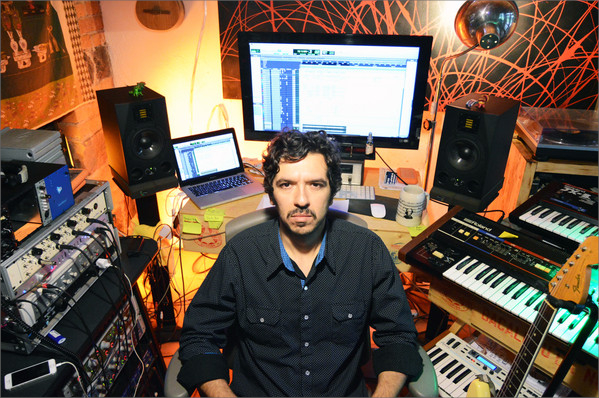
Rezc, a Mexico City based composer, producer, and musician, brings a wide range of experience into this project. His work across film, television, theater, and various musical forms is evident in the careful pacing and narrative sense that runs through Orgrinder. Even when operating at the edges of experimental electronica, he maintains a strong compositional hand. The album unfolds with a confidence that suggests long familiarity with both sound as material and sound as storytelling.
The conceptual core of Orgrinder is deceptively simple. Rezc constructs the piece from field recordings of organ grinders performing in plazas and parks across Mexico City. The barrel organ, with origins in 18th century Europe and a distinct history in Mexico dating back to the Porfiriato, is already a loaded sonic symbol. Its wheezing melodies are often associated with nostalgia, repetition, and public space. Rezc takes this familiar presence and subjects it to digital synthesis and processing, allowing the instrument to mutate, stretch, and dissolve over time.

Barrel organs, time, and transformation ::
What makes the album so compelling is how respectfully this transformation is handled. Rather than obscuring the source beyond recognition, Rezc lets the character of the organ persist, even as its tones blur into drones, fractured rhythms, and shimmering harmonic clouds. The piece shifts gradually, sometimes imperceptibly, as if the city itself were breathing through the machinery. Street ambience, mechanical textures, and synthetic layers intertwine until the line between documentation and abstraction disappears.
There is a quiet emotional weight to Orgrinder. It feels like a meditation on memory, labor, and the persistence of cultural practices in a rapidly changing urban environment. The album never feels academic or overly precious. Instead, it invites the listener into a slow, immersive space where time stretches and attention deepens.
Facade Electronics deserves equal praise here. The label has been steadily carving out an identity that values risk, conceptual clarity, and sonic depth. With Orgrinder, they support a work that trusts the listener and refuses easy categorization. For anyone drawn to experimental music that is thoughtful, immersive, and grounded in place, this release is essential listening.
Orgrinder is available on Facade Electronics. [Bandcamp]