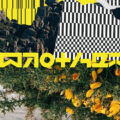


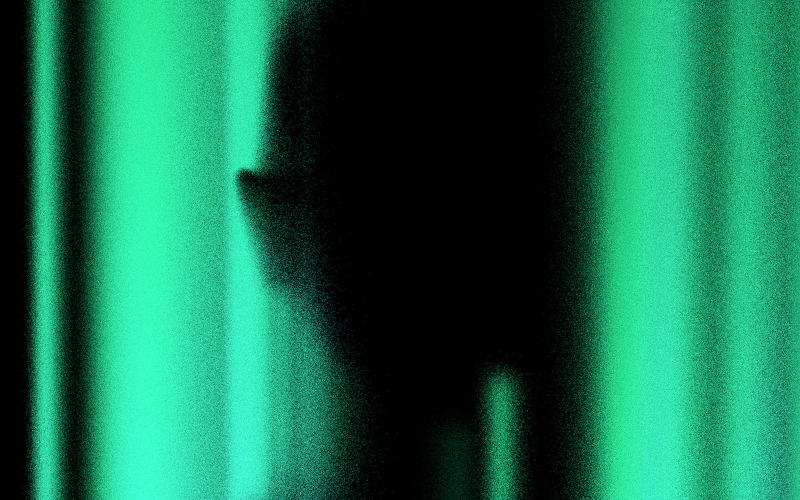


Rather than simple genre hybridization, Detached From The Rest of You proposes a contemporary grammar for electronic composition—an archetype for how these traditions might coexist within a modern sonic imagination.
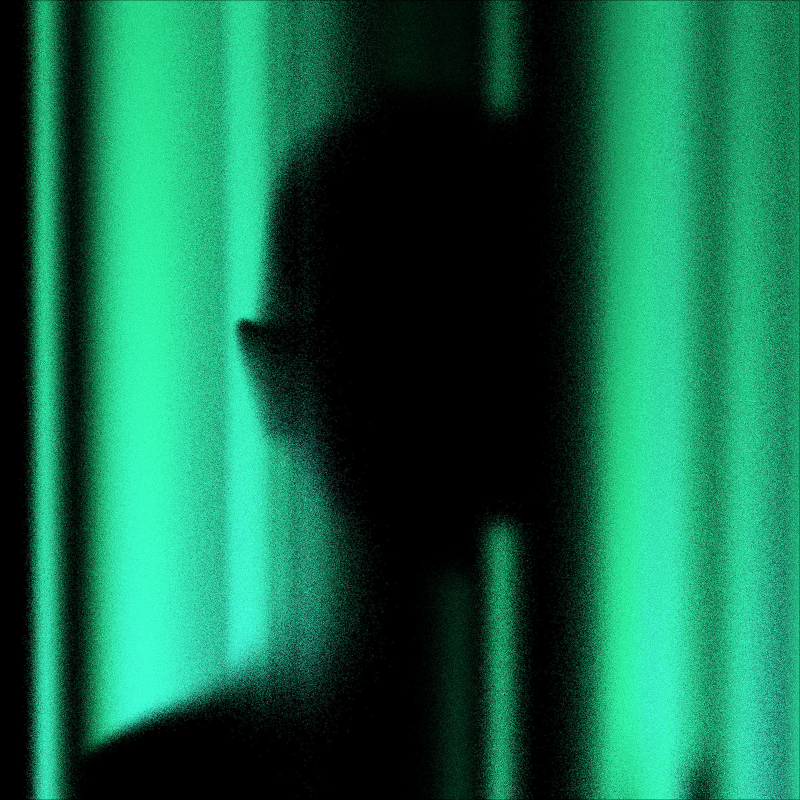
A meticulous, immersive body of work
In a world that readily cathects to material accumulation and the grosser trappings of wealth, few ever reckon the true value of the rarity that we call integrity. Yet in music, as in life, integrity is the currency that authentically endures—dignity offered elsewhere as its natural echo. The work of the UK’s Loraine James insists we notice this overlooked treasure. Here, it is not gold or fiscal measure that glitters, but the integrity of artistic expression itself—a luminous force around which every note, texture, and silence revolves. Her latest album, Detached From The Rest of You, is a declaration of that principle: a meticulous, immersive body of work shaped by conviction, curiosity, and a refusal to compromise the emotional truth at its core.
The record exists comfortably apart from prevailing trends while absorbing their energies. Glitch electronics, classical sensitivity, grime’s rhythmic instincts, bass music’s tectonic low-end logic, and the deeper currents of Black musical lineage circulate freely within James’ palette. What initially appears as a constellation of disparate ideas gradually reveals itself as something cohesive, purposeful. Rather than simple genre hybridization, the album proposes a contemporary grammar for electronic composition—an archetype for how these traditions might coexist within a modern sonic imagination.
Creative progression is one of the most compelling aspects of James’ trajectory. Across this record, her vocal presence grows assured, intimate. Language itself becomes an instrument: spoken fragments, reflective melodies, and conversational asides function as emotional anchors within the circuitry. Alongside this is a carefully curated cast of collaborators whose appearances broaden the expressive range without diluting the album’s distinctly personal core.
The opening gestures toward this widening perspective immediately. “A Long Distance Call” launches with glitch mechanics pushed into hyperdrive. James speaks casually across fractured digi-funk rhythms and jagged bass patterns. The track functions as both introduction and invitation, collapsing the boundary between narrator and producer, establishing the album’s intimate, conversational tone. Warmth surfaces on “The Book of Self Doubt,” where proto-R&B textures vibrate beneath gently reflective vocals. The song circles the ego’s compulsion to measure itself against others—a futile endeavor—but the production radiates quiet confidence. James’ compositional instincts feel mature here: counter-intuitive rhythmic turns, restrained melodic gestures, and a production palette that reveals sophistication gradually rather than through overt display. On “In a Rut,” Sydney Spann joins James for a duet that breathes deeply within ambient space. Fragmented percussion flickers around the margins, while wide atmospheric fields allow the voices to settle and interact. Silence and suspension operate as compositional devices rather than empty space.
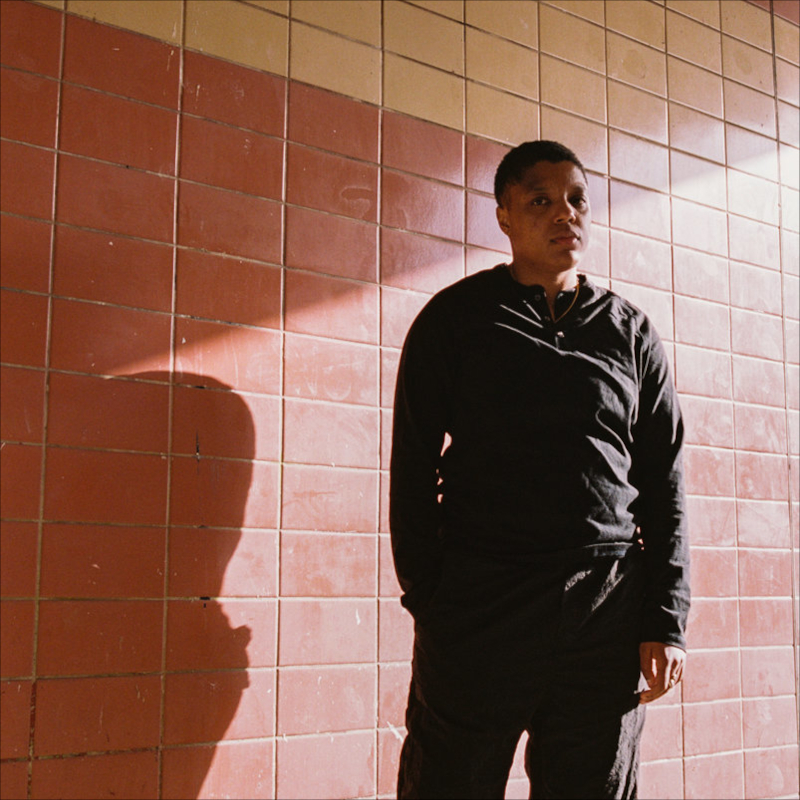
Grey skies part to reveal the possibility of warmth ::
A previous creative encounter resurfaces when New York vocalist Anysia Kim appears on “Score,” following their earlier collaboration on Clandestine. Here the tone softens into a quietly radiant neo-soul drift. Whispered melodic lines and feather-light harmonies evoke collective exhalation, a moment of tenderness amid the album’s more restless passages. It stands out immediately—a brief clearing where grey skies part to reveal the possibility of warmth. “Seems Like” I offers a compact interior monologue. James narrates fragments of thought while sliding glitch figures tilt beneath her voice like unstable mechanical balances. The piece is brief but telling, reinforcing the album’s recurring theme of internal dialogue and self-observation.
Another peak arrives with “Flatline,” featuring the unmistakable presence of Miho Hatori. The composition unfolds in two distinct pulses. Hatori’s voice—tender yet enigmatic—poses the eternal question of love while the arrangement shifts around her: stuttering breakbeats dissolve into lush pads, pitch-bent harmonies drift across the stereo field, and crisp rhythmic fragments reconnect the structure. The result is a study in dynamic contrast handled with remarkable finesse.
James’ long-standing affection for indie and shoegaze textures surfaces most clearly through the appearance of Alan Sparhawk of Low. Their collaboration rolls forward on chugging breakbeat momentum and toy-box melodic motifs before plunging headlong into double-time proto-jungle rhythms. Emotionally, it occupies a fascinating space—part love song, part meditation on peace and perseverance—carried by an irresistible sense of propulsion.
“Habits and Patterns” nods toward the elastic rhythmic sensibility associated with J Dilla. Beats lean and sway with human looseness while fretless-like bass drones deepen the harmonic mood. The track feels reflective rather than demonstrative, clarifying atmosphere through subtle shifts in tone and texture. A brief, meditative return to introspection unfolds in the minute-long “I Was Like You,” as James deliberately steps back into intimate, spoken reflection. Each fragment of thought resonates over subtle, shifting sonic textures and delicate glitched motifs, creating a pocket of quiet intensity within the album’s expanse. That momentum finds its most formidable expression in “Ending Us All,” where James collaborates with drummer Fyn Dobson and vocalist Le3 bLACK. The track charges forward with martial intensity—percussion striking with rallying urgency while razor-sharp verses confront contemporary divisions and the persistent human attraction to binary thinking. If a single piece encapsulates the album’s emotional and political weight, it may well be this one.
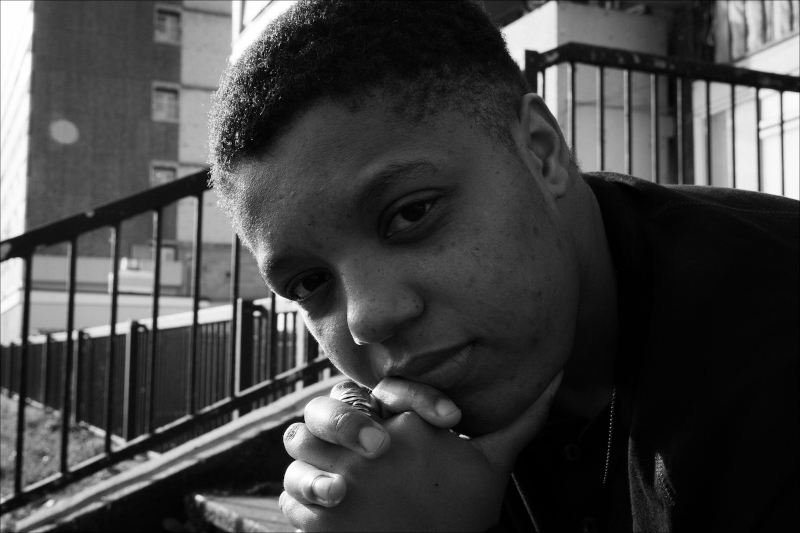
Figures shimmer beneath restrained percussion ::
The expansive “Forever Still (Steel)” sustains tension across seven carefully sculpted minutes. Acoustic guitars surface unexpectedly among waves of electronics, rising and receding as the composition sketches fleeting scenes of urban life—moments of wonder colliding with quiet disillusion. Even a passing nod to the humble Greggs sausage roll becomes part of the album’s quietly surreal observational detail, grounding the cosmic in the everyday. Closing piece “See Through” withdraws into lo-fi atmospheric pressure. Here James’ keyboard work and production acuity are especially pronounced: delicate harmonic figures shimmer beneath restrained percussion as the album gradually dissolves into reflective stillness.
Across its full arc, Detached From The Rest of You reveals an artist profoundly attentive to form in all its guises—experimental architecture, pop contour, and the emotional bandwidth required to sustain creativity across an already formidable catalogue. Eight albums into her trajectory, Loraine James continues to refine a language that is unmistakably her own while remaining porous to the wider histories of electronic and Black music from which it draws strength. In a cultural moment still inclined to measure success in fiscal rather than artistic terms, this record quietly proposes an alternative definition of richness. Integrity sits at its heart-space, and from that integrity emerges something increasingly rare in contemporary listening culture: the dignified experience of encountering music that feels both wholly personal and expansively human. To be this authentic is to create whilst not even dreaming how one can procure this degree of humility. We can’t. That’s how authenticity works. Fautless music.
Detached From The Rest Of You is available on Hyperdub May 8, 2026. [Bandcamp]