




On Flowers, Elizabeth Davis dismantles the protest-song tradition and rebuilds it as a stark, minimalist meditation on war’s quiet bureaucracy, where repetition, restraint, and fractured electronics expose conflict not as tragedy but as routine.
Tactical lullabies
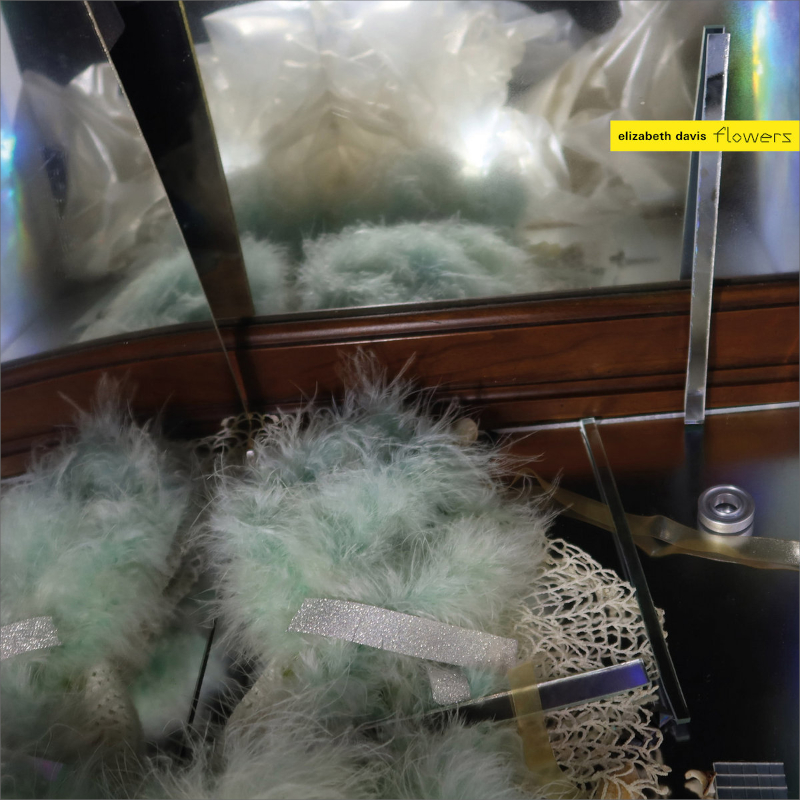
Elizabeth Davis’ Flowers EP reframes Pete Seeger’s “Where Have All the Flowers Gone” as a contemporary paean to classical war poetry, less protest song than installation-grade reflection. Its politics are oblique but persistent, embedded in texture, repetition and restraint. War is framed not as spectacle or drama, but as a sorry system, procedural and self-sustaining.
Opening track “All in Uniform” unfolds as a vocal fugue, masculine and feminine treatments folding into one another until gender collapses into function. The lament is not dramatic so much as procedural, like mourning rendered bureaucratic. War appears not as spectacle but as machinery. “Wo Sind Sie Geblieben” leans into drink-hazed atmospherics: plucked strings cycle as rote figures, tightening towards an insistent climax that never quite resolves. The effect is quietly damning, evoking the absurdity of global maneuvers that funnel young bodies toward corporate decisions dressed as necessity. “Ever Learn” briefly sharpens the palette. Bass pulses drive forward with a Joy Division–adjacent severity, while piano motifs color the margins. Tonal fragments splice across the low end, less hooks than gestures, theatrical rather than emotive.

On “Young Ones,” bleeps, arpeggios and glitch beats stammer into motion as Davis delivers a flattened robo-rap, addressing young women and men alike as expendable resources. Patriotism here is reduced to interface language, bravery mistaken for compliance. “Long Time Passes” throbs with an atrophied heartbeat, swelling until distortion and white noise tear the track open. What remains is not grief but residue: rage after hope has long since desynchronized. Closing piece “Gone” mirrors the opening in negative. White-noise claps scatter, minimalist beats ping-pong, vocals fragment. It ends without resolution, cutting away rather than closing. The silence feels deliberate, clipped, unresolved, and accusatory at last.
Flowers is a tightly controlled EP that treats war as routine rather than drama. Its strength lies in restraint, using repetition and flattened affect to quietly underline how loss becomes normalized once it is processed often enough. Flowers may be gone but here seeds are newly planted in unorthodox blooms.
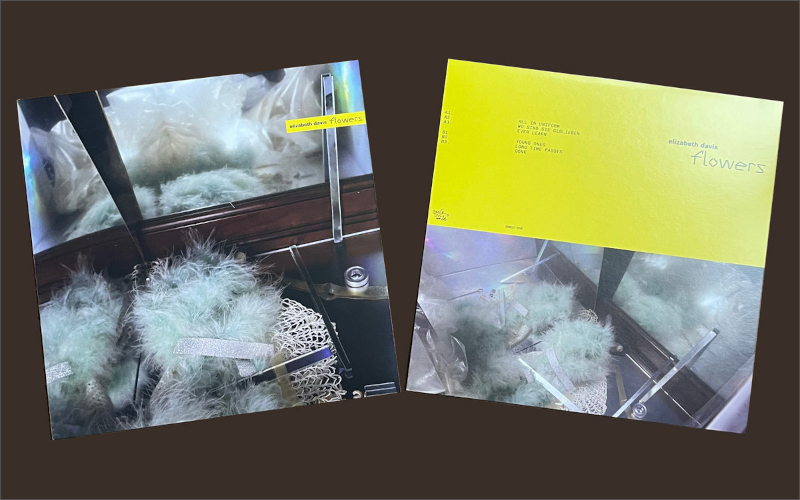
Flowers is available on South of North. [Bandcamp]







![[2View] Maps and Diagrams’ beneath still stars (handstitched*) & returning light (Home Normal)](https://igloomag.com/wp/wp-content/uploads/2026/10/maps-and-diagrams-returning-light-beneath-still-stars_feat-75x75.jpg)