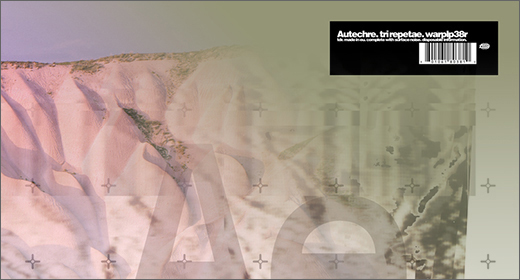




Autechre’s Tri Repetae (Warp Records, 1995) marked a turning point in electronic music, fusing minimal rhythms, metallic textures, and abstract melodies into something both mechanical and deeply human. Three decades on, its futuristic pulse and experimental sound design still feel timeless, reaffirming the duo’s position as architects of music yet to come.
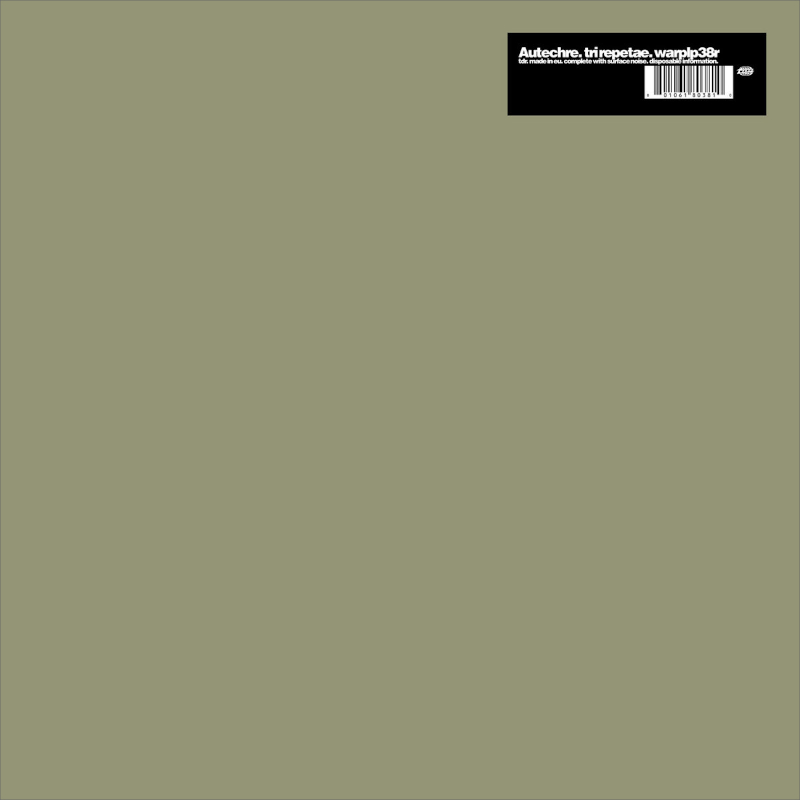
Autechre’s masterpiece that defied time
From the drop of the first note on “Dael,” Autechre’s Tri Repetae (Warp Records, 1995) announced the sound of the future. Hotly anticipated, heavily debated, and never overrated, Autechre already had two albums under their belt by 1995 and a growing reputation for pushing themselves far beyond their comfort zone. Within two more years, they would be delivering music that sounded so far ahead of its time that few have since come close to it. Thirty years later, the fat kick drop and warped metallic textures of Tri Repetae still feel futuristic. Like many of their early releases, it could be issued today and sound as fresh as it did in 1995.
Within its framework of minimal, repetitive rhythms, reduced melodies, and spacious soundscapes, the duo revealed a new perspective—one likely shaped by touring in support of Amber and by their own expanding artistic horizons. “Clipper” carries a somber, mournful melody while its drums burp, clack, and bang away. The album arrived with stickers proclaiming “incomplete without surface noise,” a sly herald of things to come. By their next album and subsequent EPs, Autechre would fully embrace harshness and noise while many peers still lingered in the cold, reflective chambers of ambient music.
Yet Autechre—already known for long, introspective passages—were becoming more comfortable in the space where the noisy meets the melodic, forging an entirely new sonic territory. “Leterel” slows the tempo, revealing contemplative synth progressions while the percussion grows progressively harsher, until the track seems to collapse in on itself, giving birth to the mournful wail of “Rotar.” Its alien percussion, oblique chords, and subtle rhythmic fragments drift like ash in the wind.
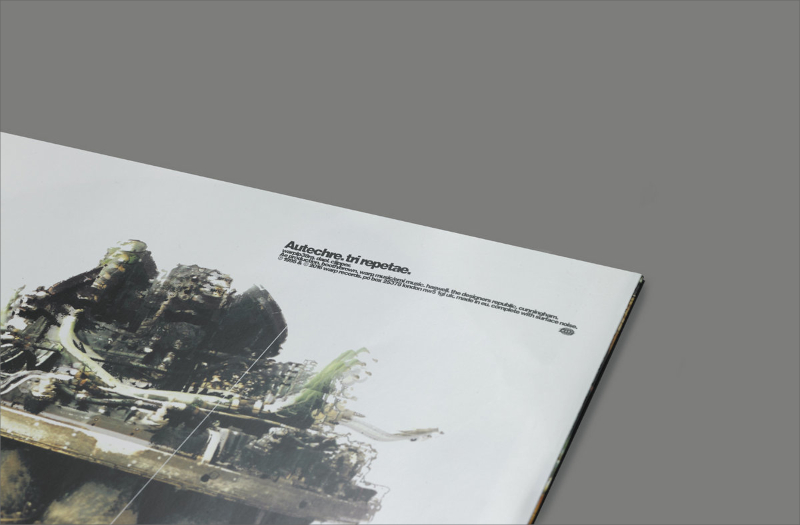
Thirty (+) years ahead of itself ::
“Stud” feels like a meditation or invocation—an imagined procession of cyclopean, meandering beings crossing between planes while quiet tension ripples through its percussion. “Eutow” follows, an ambient electro joyride through futuristic cities of chrome and neon light. “C’Pach” bangs and clatters with the lo-fi, down-sampled percussion Autechre would soon be known for, while pads and ping-pong delays dart across the stereo field. “Gnit” treads more delicately than most tracks, each note and beat landing with measured precision, forming a beautiful, delicate machine.
“Overand” serves as another long-form meditation, transporting the listener to a distant place—its hazy reverberations evoke a hidden pond on an early spring morning on Mars. Finally, “Rsdio” closes the album with a harsh, rhythmic workout of percussive experimentation, foreshadowing the direction Autechre would pursue ten, twenty, and even thirty years later.
It would be difficult to listen to Autechre’s contemporary recordings—such as their 2024 and 2025 live sets—and easily connect them to the inconspicuous yet multifaceted tracks of Tri Repetae. But when viewed through the lens of recollection, it becomes clear that Autechre were already thinking far ahead of their peers at the time of Tri Repetae’s creation and release.
Tri Repetae is available on Warp. [Bandcamp]