




In WATERSHED, Markus Mehr transforms recordings from the early days of Russia’s invasion of Ukraine into an unsettling meditation on war, distance, and the responsibility of listening when looking away is always an option.
The responsibility to pay attention, when switching everything off remains so easy
War reaches even the rooms in which we believe ourselves to be safe. It passes through a screen and takes possession of time. WATERSHED takes shape within this distance: the one separating Markus Mehr, in his Augsburg studio, from the sites of Russia’s invasion of Ukraine. Four compositions, just over eighteen minutes in total, drawn primarily from recordings sourced online during the first days of the conflict. The very decision to work with them confronts the musician with an uncomfortable question: how far can a document be transformed before its origin becomes merely a pretext?
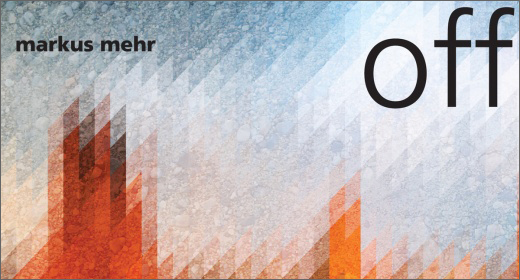
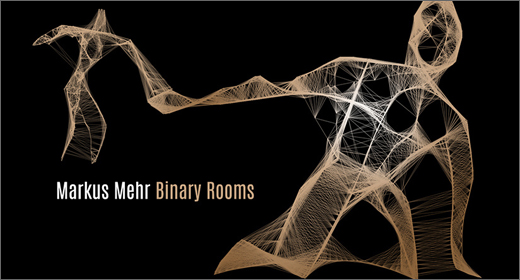
Mehr’s trajectory helps explain the choice. Having begun musically with the guitar, moved through bands and then into the home-based project Aroma, the German composer has gradually developed, under his own name, a body of work increasingly focused on the possibilities of captured sound. Lava, released by Hidden Shoal in 2010, and the In, On, Off triptych marked the first stages of a discography in which electronics progressively became a means of interrogating environments. With Binary Rooms in 2014, the editing of recordings took on a more direct role: everyday noises were isolated, processed and placed in relation to one another.
That album contains a revealing precedent. Mehr was completing Blackbox when, on 17 July 2014, flight MH17 was shot down over Ukraine. He had initially titled the track “MH17,” entrusting the title with the task of preserving the memory of the event. History had intruded upon a work already in progress and altered its destination. In WATERSHED, this involvement occupies the entire project. The provenance of the material makes even the word “beauty” difficult to use without qualification. Familiarity with noise, too, has to reckon with the difference between an aesthetic experience and the danger endured by those who were actually there.
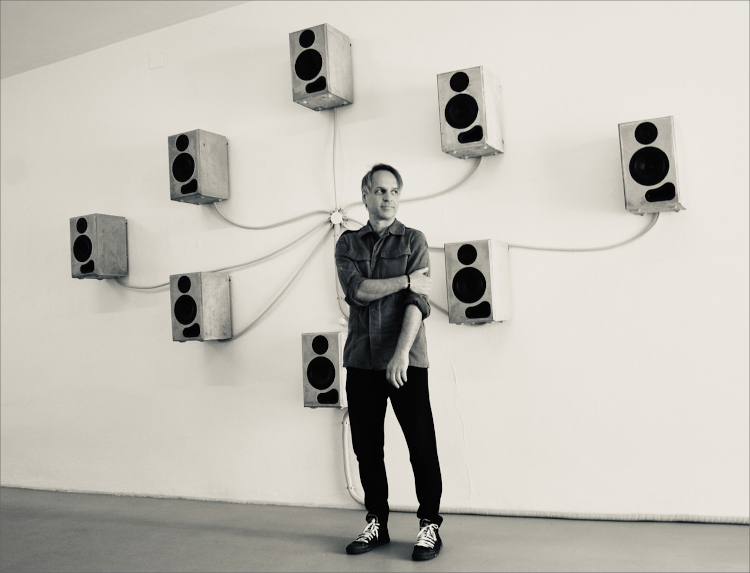
In the meantime, Pressure and Supra extended Mehr’s research into the form of installation. The former addresses architecture through the production of concrete and its environmental consequences; the latter considers interactions between organisms and natural systems. The construction of sonic space already implies a position toward the world. WATERSHED originated as a commission for a tower in Augsburg’s city walls, once used as a commercial gateway and a surveillance post. Mehr chose to focus on its defensive function. The beginning of the composition coincided with the invasion of 24 February 2022: security, borders and protection suddenly acquired an unforeseen urgency. The memory of the building came into contact with the European present.
Knowing where these sounds come from inevitably alters our attention ::
For the EP, due for release on Hidden Shoal on 23 October 2026, the four pieces from the installation have been reworked. Their sources date from the seventh, fifteenth and seventeenth days following the attack. According to the composer’s notes, synthetic additions remain limited. This is worth noting: a real-world source can be cut and transformed until it acquires properties that seem electronic. What matters here is above all the decision to keep the work rooted in the collected material, accepting its weight and its difficulties. The document enters the composition with a history already underway.
Day 15 offers the clearest indication. In an interview, Mehr identifies among his sources the air-raid sirens of Maidan, captured by surveillance cameras. He recalls watching that square from his heated studio, roughly eighteen hundred kilometres away. It is an essential detail, because it locates the artist and clarifies the nature of his participation. His work on the fragments involves cutting, granulation and recomposition; within the same material, Mehr says he also sought melancholic and conciliatory elements. The siren retains an immediate meaning. Its presence brings into musical form a signal originally intended to provoke a specific response: to seek shelter.
The order of the tracks also suggests a possible reading. “Day 17” opens, “Day 15” follows, “White Dove Black Sky” occupies the third position, and “Day 7” closes. The numbering moves backwards; the record returns to the beginning of the trauma. This is one possible interpretation of the sequence, supported by the decision to abandon chronological order. Between the dates, the title “White Dove Black Sky” introduces an image, almost a deviation from the counting. The dove belongs to an immediately recognizable vocabulary of peace. The black sky makes its presence precarious. In a project so tightly bound to the reality of its sources, this symbolic opening risks predictability; yet its position also reveals the need to give solidarity a legible form.
“Mehr’s declaration of solidarity with the Ukrainian people and its soldiers clearly defines his position; whether the composition itself holds together remains a question to be addressed on musical terms. The seriousness of the intention also entails this exposure to judgement.” ~Mirco Salvadori
The most exposed aspect of the work concerns precisely its relationship with explanation. Knowing where these sounds come from inevitably alters our attention, directs our associations and assigns weight to the transformations. The risk is that the subject matter guarantees the work’s gravity in advance. The tragedy it evokes can become a shield against aesthetic judgement, making any reservation appear somehow inappropriate. WATERSHED requires that this possibility remain visible. Mehr’s declaration of solidarity with the Ukrainian people and its soldiers clearly defines his position; whether the composition itself holds together remains a question to be addressed on musical terms. The seriousness of the intention also entails this exposure to judgement.
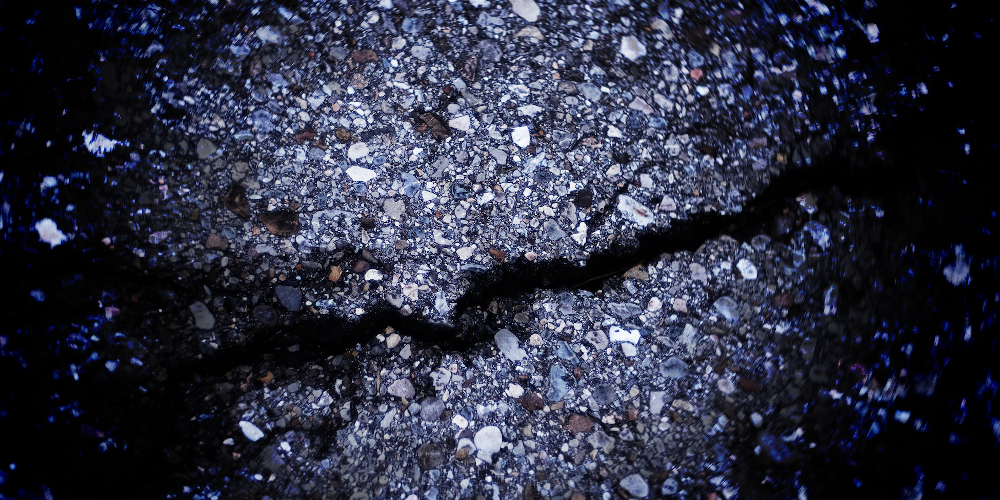
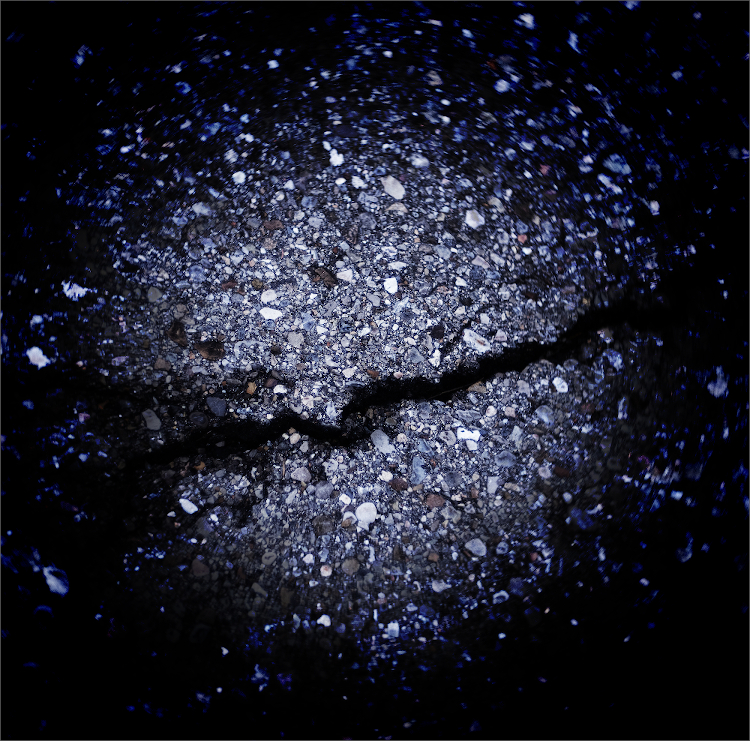
The cover offers a restrained point of entry into the project: a cracked surface, darkness at the edges, a cold light revealing the fracture. The title suggests a watershed and finds a concrete counterpart in that crack. The passage from tower to record narrows the space of the experience, entrusting it to the private dimension of the listener. The room thus becomes decisive once again. It was the protected place from which Mehr observed the events; it becomes the place in which his work can reach other distant observers. In this circulation of distance lies the most fertile question posed by WATERSHED: the responsibility to pay attention, when switching everything off remains so easy.
Watershed is available on Hidden Shoal.



![Andreas Tilliander :: Ljud [2026 Remaster] (Keplar)](https://igloomag.com/wp/wp-content/uploads/2026/10/andreas-tilliander-ljud-remaster-vinyl-75x75.jpg)