




For listeners expecting linear progression or clear melodic arc, Tracker Mini Works will feel incomplete. For those who understand that fragmentation and glitchy manipulation can be more emotionally resonant than perfect production, this will feel exactly right.
Where sketch becomes composition, jam becomes form
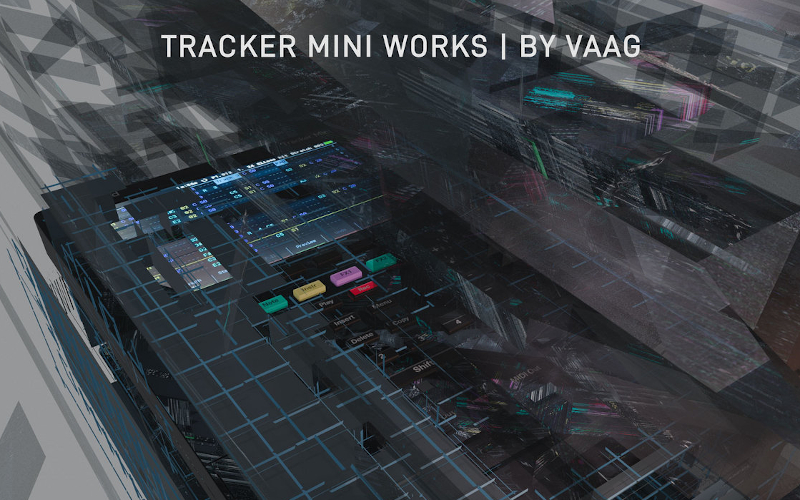
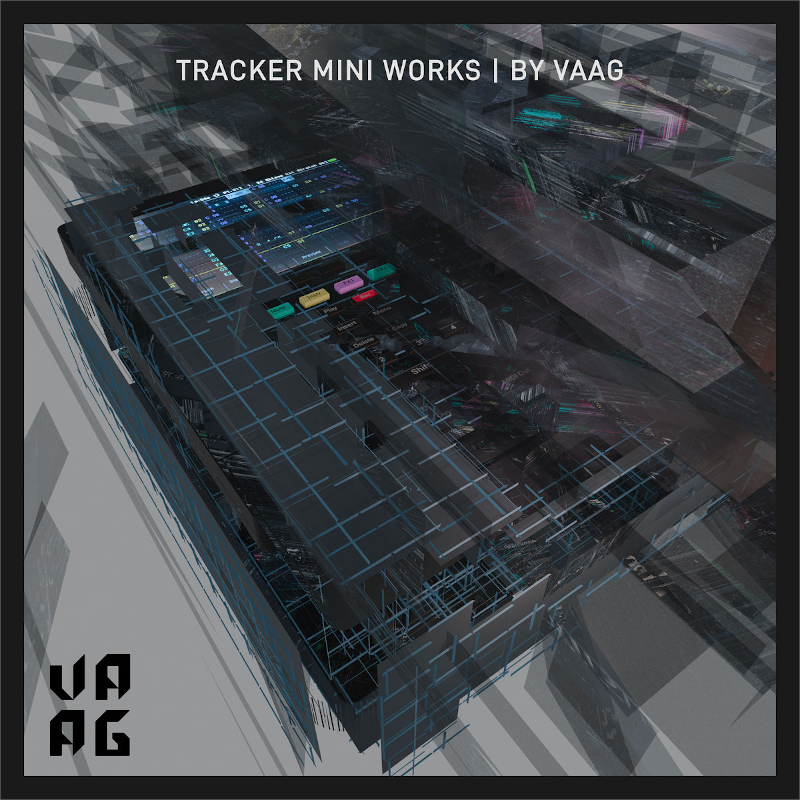
Marc Brinkerink‘s Vaag project operates in a specific space—one where sketch becomes composition, jam becomes form. The Haarlem, Netherlands-based producer started exploring IDM and ambient seriously around 2019, and his previous albums Perfect Imperfection and Twenty Two landed on Igloo’s 2024 year-end list. His work is characterized by refusal of conventional structure. He jams for stretches, then goes through and moves things around, removes the excess. He doesn’t like very long songs—prefers them around four minutes. With Tracker Mini Works, Vaag documents two years of those sketches and experiments, all created entirely on the Polyend Tracker Mini before being arranged in Ableton Live.
The release contains good sketches. These are more unthought-out, not improvised but just lively and not as focused as his other material. When Marc does those YouTube sessions showing clips of his work, it reminds you of what this album consists of, raw moments captured and preserved. The entire release is heavily focused on glitches and manipulations to rhythm. Beautifully crafted, enjoyable to listen to if you’re into the strange glitches and effects that happen to a beat for a while. Melodies throughout the tracks seem sporadic, which is often his style, running through a strange melody scale of just glitches and leads.

Incompleteness as compositional tools ::
The drums stand out most in this little Tracker Mini series. Almost interludes that go unfinished but filled with good glitchy rhythms. The Tracker Mini‘s workflow and limitations naturally push toward creativity, and that constraint becomes the point. Unlike traditional IDM, which often leans toward maximum complexity and intricate arrangements, post-IDM (or whatever you want to call this) takes a different approach. Artists like Autechre (when they moved toward their more abrasive material), and current practitioners of what some call “glitch ambient” or “micro-IDM” favor fragmentation, interrupt, and incompleteness as compositional tools. The Tracker Mini‘s hardware limitations, its low-resolution display, its step sequencing workflow, its drum machine heritage, all feed into that aesthetic. It’s not trying to sound precise. It’s trying to sound lived-in, slightly broken, intentionally unresolved.
Vaag‘s process with the Tracker Mini qualifies exactly because it resists polish. Most of the track titles are generated by the Tracker‘s autoname function, which speaks to the method—letting the machine suggest names for pieces that came from hour-long sessions on the couch, on the train, wherever. Some tracks evolved into more detailed arrangements, others remain closer to their origins, more like captured jams. The result is a release that doesn’t announce itself as a finished work. It’s a snapshot of two years, and it sounds like it. For listeners expecting linear progression or clear melodic arc, Tracker Mini Works will feel incomplete. For those who understand that fragmentation and glitchy manipulation can be more emotionally resonant than perfect production, this will feel exactly right.
Tracker Mini Works is available on Bandcamp.