


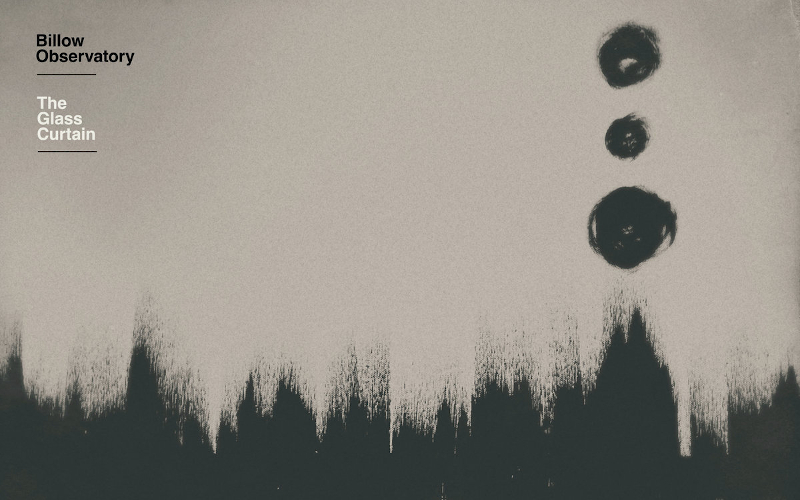

Billow Observatory create an affordance structure for the escape, The Glass Curtain finding a fine balance between dark-light binaries, at once euphonic and tenebrous, engaged and unmoored, a portal opened to elsewhereness.
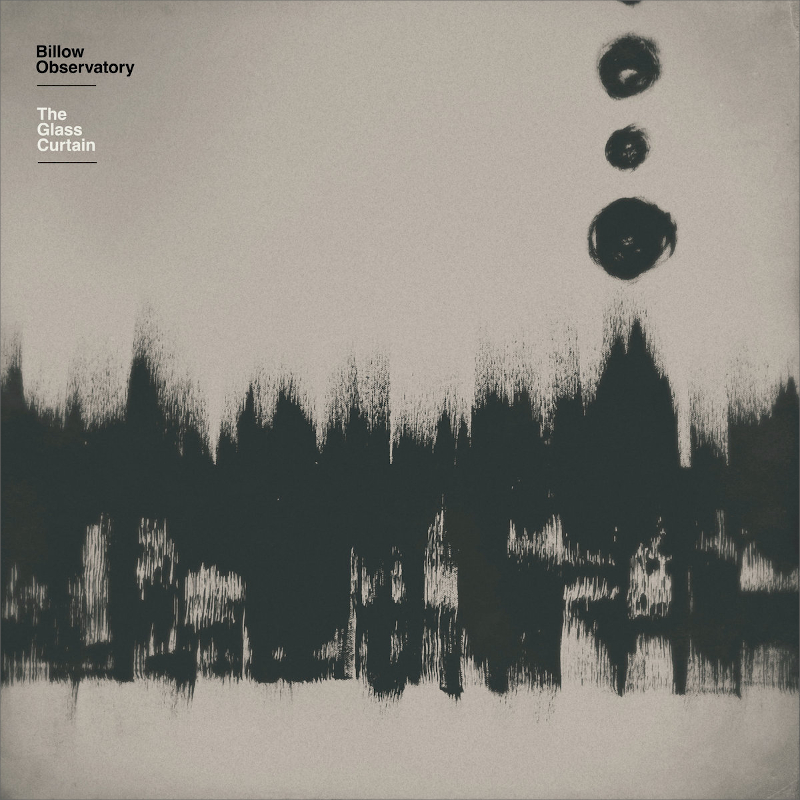
A retreat into introspection, a quest for escape
Transatlantic twosome Billow Observatory with their fifth release, The Glass Curtain, return to the fully beatless vein of their debut after indulging more electronica-leaning proclivities in intervening years.
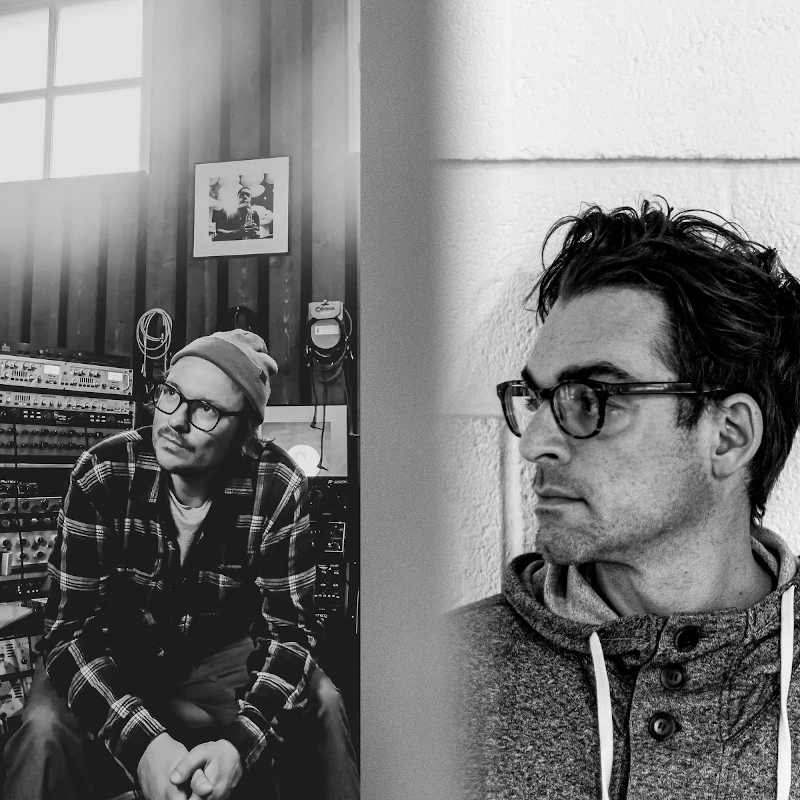
Billow Observators Jonas Munk and Jason Kolb have credentials, Kolb’s going back to Auburn Lull and the Michigan space rock scene, Munk’s to his by now august Manual project, collabs with Ulrich Schnauss and other production work. Following a s/t debut (2012) of languourous low-event ’scapes with banks of little fluffy cloud drift, subsequent releases (see II: Plains/Patterns (2017), III: Chroma/Contour (2019), Stareside (2022)), added ambient techno pulses, frosty beats, and other colorings (e.g. greater guitar heft, dub-inflections).
Now The Glass Curtain’s dynamic demeanor may be calm and quiet, but it’s no fluffy cotton candy—billed in fact as like ‘slowly spinning globes being knocked slightly off axis.’ Beaty dalliance off, old hazy gauze mode on, cue spacious loops of slow-mo spectral guitar shapeshift and the odd infusion of field recording crackle. Some tracks—more organic and earthy—could even be tagged Ambient Americana, if not quite Country, though most are more remote, glacial in tenor; take the doleful glow of “Colza,” effaced by shimmering distortion; or “Shadow Through the Eyelet,” essentially note recursions, but progressively stretched, and “Armistice” expanding on this with a longer linger and deeper resonance. Final double act is by turns crepuscular and nocturnal, “Arise and Perish” resembling a dark fog creeping in, “Sundial” seeing lights out.
If one effect of an ever more hyperactive and inimical world for some may be a retreat into introspection, a quest for escape, Billow Observatory create an affordance structure for the escape, The Glass Curtain finding a fine balance between dark-light binaries, at once euphonic and tenebrous, engaged and unmoored, a portal opened to elsewhereness.
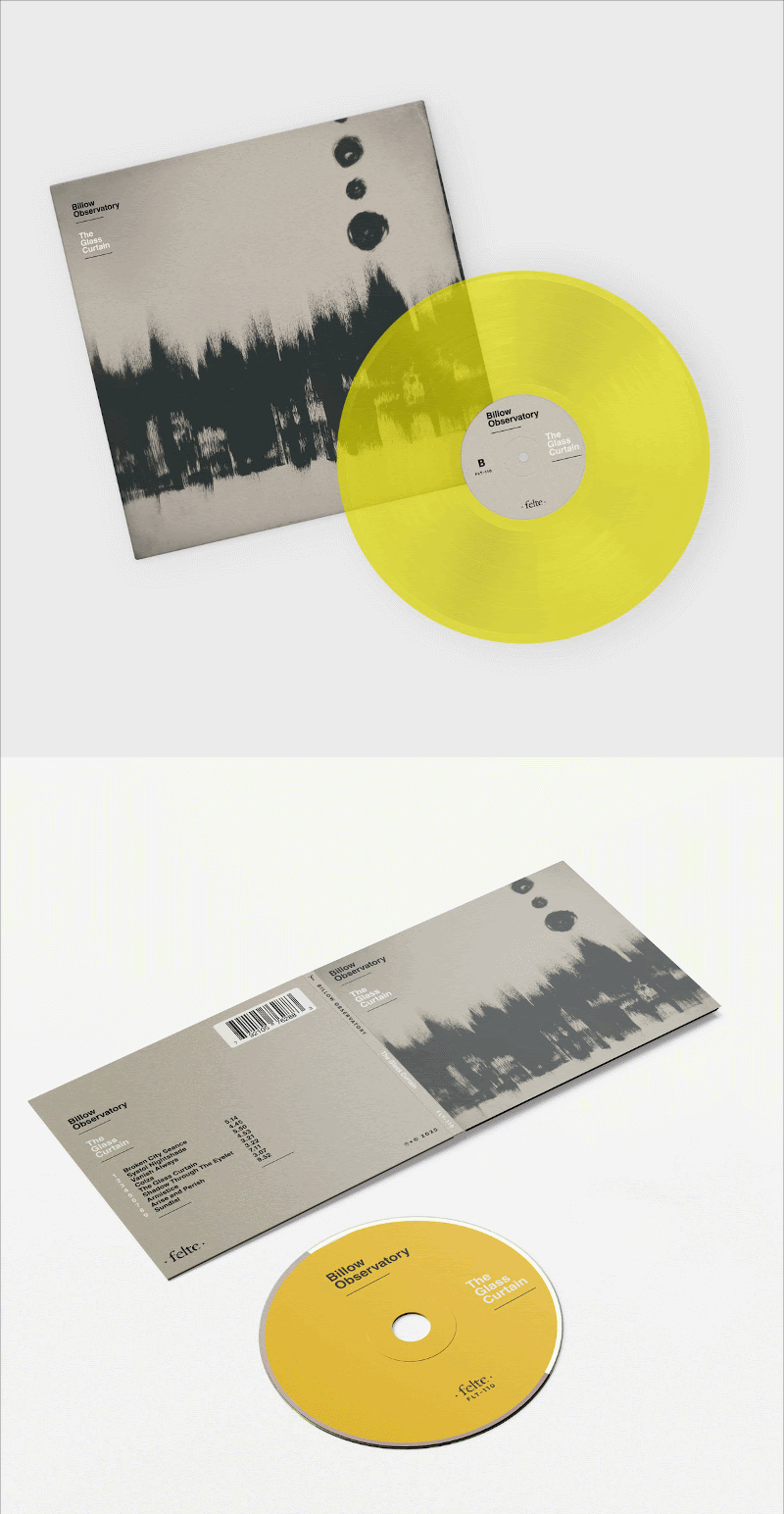
The Glass Curtain is available on felte. [Bandcamp]