



Metamorphoses is patient music. It doesn’t demand your attention, but it rewards it. For a label like Audiobulb, which has spent over two decades curating work that exists at the intersection of the electronic and the organic, this feels like a natural fit. Mazza and Düngfelder have found a shared language here, one where origin and response blur, where sound is continuously reshaped and reborn.
Small gems that emerge and recede
Audiobulb Records has been quietly championing longform ambient and experimental electronic music since 2003. The Sheffield-based label, run by David Newman, has built a catalog around patience and detail — artists who work in microsound, electro-acoustic textures, and extended compositions that unfold slowly. Metamorphoses, a 60-minute continuous piece by OdNu + Ümlaut, fits squarely within that tradition. The label’s roster has always leaned toward artists who embrace restraint and allow sound to breathe, and this collaboration between Michel Mazza (OdNu) and Jeff Düngfelder (Ümlaut) is no exception.
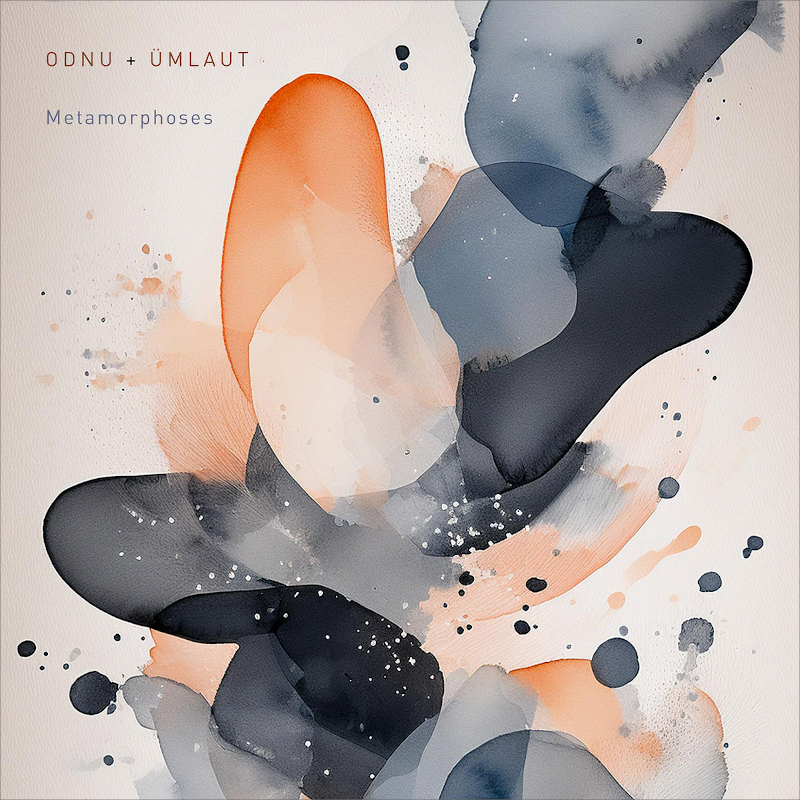
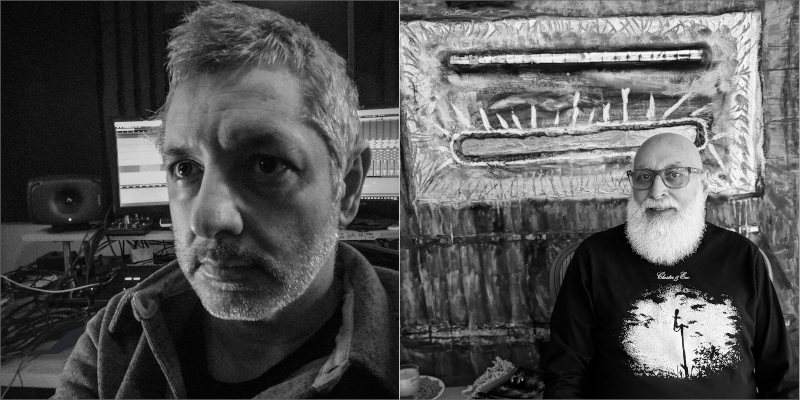
Mazza and Düngfelder met through Audiobulb. Both spent years in New York City before relocating to the countryside upstate — Mazza to Hudson, Düngfelder to northern Connecticut. Their first collaboration, Abandoned Spaces (2024), merged heavily processed guitars with jazzy vignettes and ambient landscapes. Their second, Mitochondria Johatsu (2025), pushed further into abstraction. Metamorphoses is their third, and it’s structurally different. Where the previous albums unfolded in discrete tracks, this one is a single, unbroken arc. The press notes describe it as a transformation rather than a dialogue, and that’s accurate. Düngfelder laid down a foundation of tape loops and electronics, and Mazza responded with guitar and effects. The distinction between origin and response disappears entirely.

Hearing this as a whole is worth multiple listens. It doesn’t sound like improvisation to me, but rather a carefully structured piece built from interlocking instrumentation, field recordings, and ambient textures. There aren’t solid melodies in the traditional sense, but melodic moments surface throughout — small gems that emerge and recede. The piece builds off melodic scales rather than hooks, which is how both artists tend to work. Mazza‘s background in film scoring and sound design is evident here. His solo work, like Expansive Nothingness and My Own Island, relies on processed guitar, midi-triggered synths, and field recordings to create cinematic, layered soundscapes. Düngfelder‘s approach is more reductive. His Black Square album used only synthesizers and tape loops, stripping sound down to its most essential textures. That minimalism is present here, but softened by Mazza‘s melodic touches.
The opening (0:00-2:45) sets the tone with water sounds and clicks. A subtle guitar riff loops underneath, accompanied by synth rolls that complement the rhythm without forming a solid melody. It’s staying within a melodic scale, which is how most of this piece operates. By the 4:30 mark, the guitar melody has room to breathe, backed by atmospheric pads that feel dreamlike. At 6:00, a beat enters — not glitched, just a very subtle tap rhythm that fades away before warbling synths and piano take over. There’s also what sounds like flute instrumentation here. Mazza has used clarinet and other wind instruments in past work, often heavily processed to the point where they’re barely recognizable. Düngfelder, for his part, has a history of folding birdsong and environmental recordings into his tape loops, blurring the line between organic and electronic.
This is something Audiobulb is known for; field recordings integrated into the sound design in a way that feels intentional rather than decorative. ~ J. Batista
By the 9:00 mark, the piece shifts. If this were tracklisted, this would feel like the third track. The same sonic palette, but darker and more mysterious. The pads here are crucial, they keep you in the zone without demanding attention. Audiobulb has always been strategic about drone music. The label’s ethos centers on the interface between the electronic and natural world, and drone provides the connective tissue for that exploration. Artists like Tomotsugu Nakamura and Monty Adkins, both on the Audiobulb roster, use drone as a foundational element rather than a backdrop. It’s structural, not decorative. That’s the case here. The piece is meant to breathe for a while, and it does.
At the 14:00 mark, another segment enters with a unique arp melody and a subtle drum beat that slowly fades. This seems to be a common technique throughout the 60 minutes, drums are introduced just enough to be felt, then pulled back. It’s like they don’t want the listener to focus on the rhythm. They just want you to hear it, register it, and let it fade.
A cavernous feel ::
The 16:00-19:00 section feels like an interlude. A repeated melody loops while an atmospheric pad backs it. It’s not hypnotizing, just subtle. By 21:30, reverse snare sounds enter alongside a ringing piano riff in the background, backed by a dronish piano that plays through with little electronic blips and nuances all the way to the 25:00 mark. Then a new melody enters, very happy and dreamlike. This is the first real peak of the piece, though it’s still restrained. At 26:00, a field recording comes in, and it’s beautiful. There’s almost a dying telephone jingle looping as there’s rustling in the mix. Great ASMR moment, way better than what you get on YouTube. But seriously, this is something Audiobulb is known for; field recordings integrated into the sound design in a way that feels intentional rather than decorative. At 27:00, a dark melody enters with a flanged harp for two minutes before another shift at 28:00. There’s a lot happening in the transitions, but the use of recycled sounds keeps the listener engaged. Mazza does this in his solo work too — My Own Island is built around looping leitmotifs that travel through ambient landscapes and dub-infused passages, constantly recontextualizing the same melodic fragments.
By the 34:00 mark, guitars enter again with a backing pad, some flutes that ring out, and reverb-heavy sfx. The reverb is strongly applied here, which gives the section a cavernous feel. At 36:55, the tone shifts again with the guitars, and a subtle atmospheric pad enters that’s very pleasing. By 40:00, drums start to slowly roll in, hi-hats in rhythm — just before another happy melody appears. From here to the 45:00 mark, the piece feels different. Nothing sounds the same as before, but it’s a beautiful little section they’ve created. At 45:45, they’re playing with guitar sfx, adding a rolling sound that gives the guitar a lo-fi quality with delayed tails. It’s quite beautiful, actually.
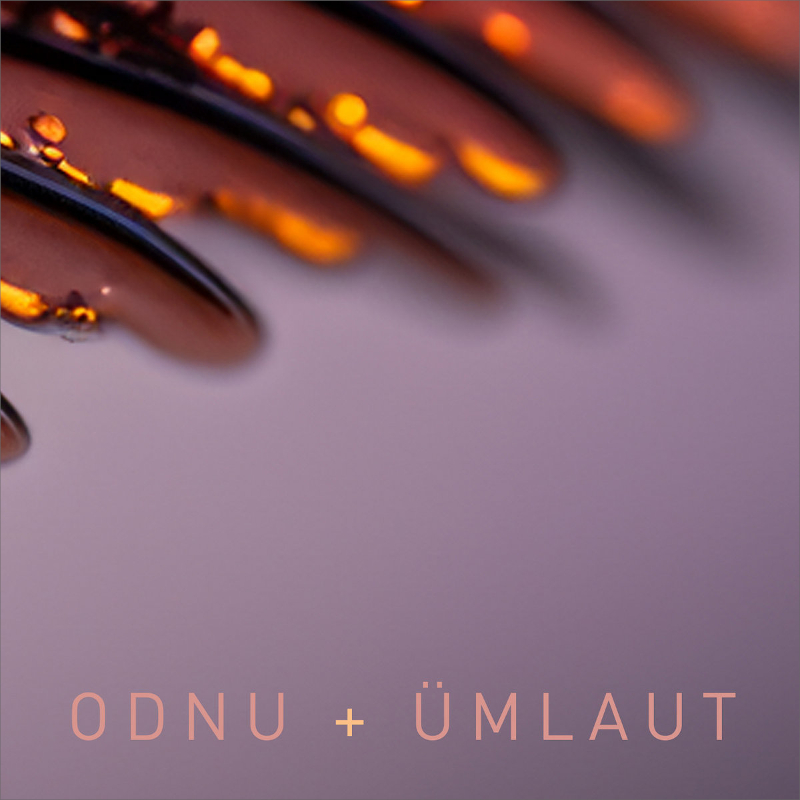
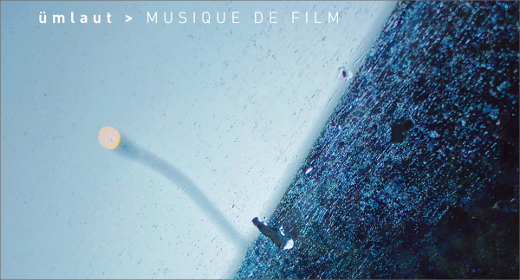
At the 50:00 mark, dripping water is introduced, and it feels intentional. Water sounds were introduced at the beginning, and they’re closing this audio segment with water as well. This one is more subtle. The guitar melodies and electronic blips and fuzz that get introduced here aren’t melodic, it’s more noise and field recording. A good interlude. There’s a short ambient piece at the 53:00 mark that lasts just a minute, then shifts to a different tone. The field recording of the water turns to fuzz and fades out while they reintroduce a fading guitar riff playing different notes. An atmospheric loop comes in from 55:00 to the end. Both artists excel at this — Düngfelder‘s Musique de Film III is built entirely around looping field recordings and tape manipulations, and Mazza‘s Time Is A Place was recorded during sleepless nights, improvising guitar loops until 4am. That patience and willingness to let sound sit and evolve is what makes this collaboration work. The final stretch is a droning piece of guitar riffs and bells. The pieces feel essential for the close, and they end with a tremolo effect on the pads. They introduce water and fuzz at the very end, bookending the piece.
Metamorphoses is patient music. It doesn’t demand your attention, but it rewards it. For a label like Audiobulb, which has spent over two decades curating work that exists at the intersection of the electronic and the organic, this feels like a natural fit. Mazza and Düngfelder have found a shared language here, one where origin and response blur, where sound is continuously reshaped and reborn.
Metamorphoses is available on Audiobulb June 6, 2026. [Bandcamp]